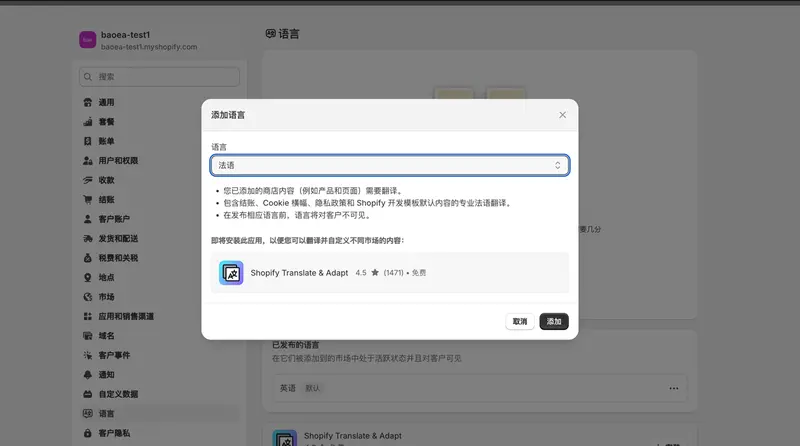
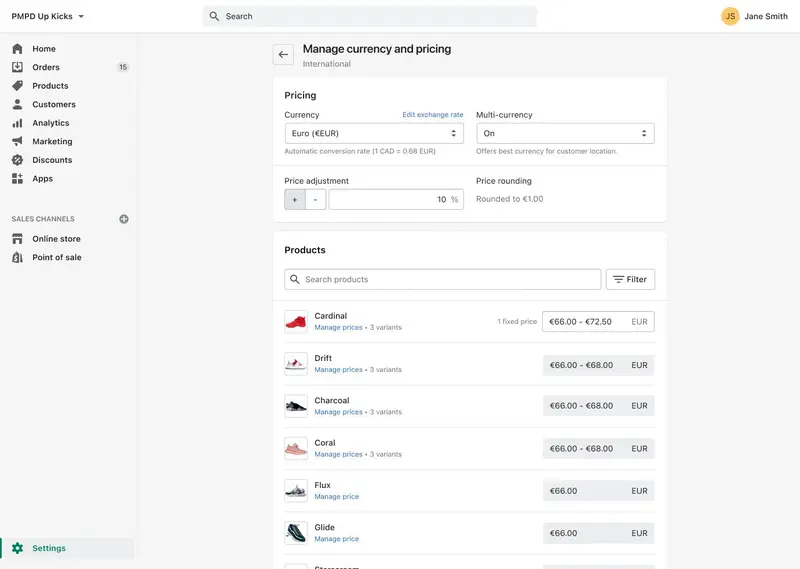
Translating product pages is only one part of a multilingual store. Navigation, filters, policies, and transaction notifications also influence whether a buyer completes a purchase.
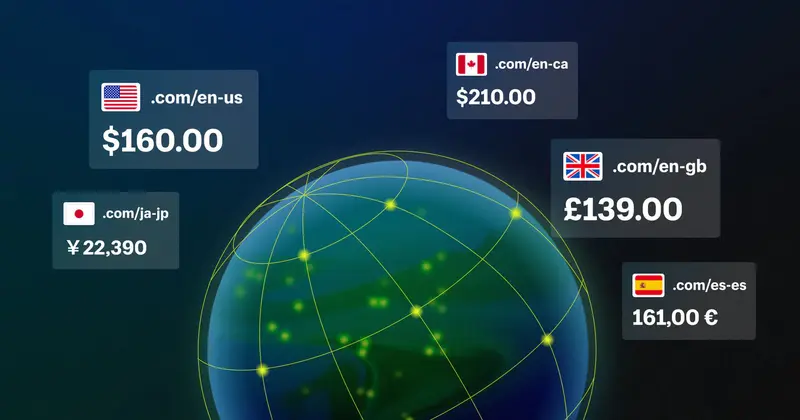
The currency displayed on the product page, the currency the customer actually pays, and the currency the merchant finally settles in may differ, so each item needs to be checked.
This article introduces the meaning and role of Merchant of Record (MoR). Understanding its mechanisms and benefits in cross-border e-commerce will help you better grasp the operations of international sales.
Small and medium-sized business owners have a mountain of things to manage. Even if they are experts in their own business, it is difficult to acquire all the specialized knowledge in every field necessary for starting and growing a business.
What separates successful agencies from struggling ones? Many agencies do excellent work, yet they still struggle to attract clients. Here are three ways to overcome this challenge.
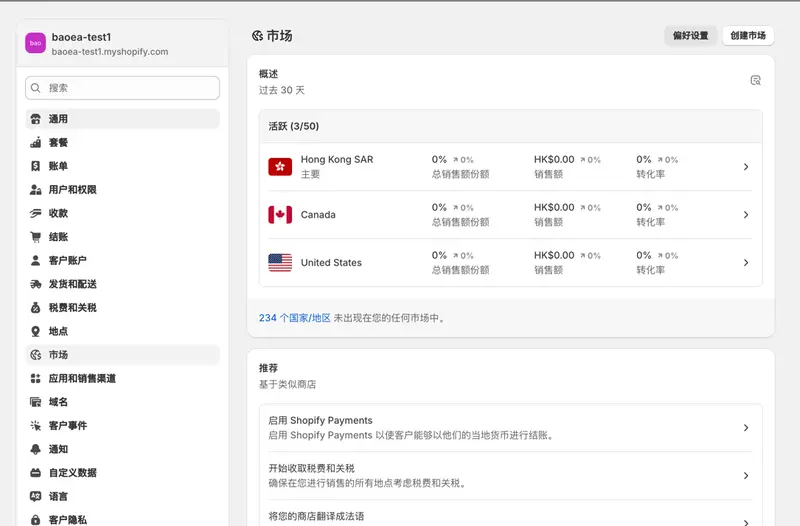
This article explains the features of Shopify Markets, which allow online store managers to easily build a global growth strategy from their Shopify store.
This article explains the benefits and key points to consider when using B2B marketplaces. It also introduces recommended platforms and how to leverage Shopify's B2B capabilities.
This section introduces the mechanisms of LLM (Large-Scale Language Models) and how to utilize them on e-commerce sites. Learn how to leverage generative AI in e-commerce operations such as customer service to improve your work efficiency.
This page introduces methods for achieving international sales, whether you're an individual looking to sell handmade products or Japanese goods overseas, or an existing online shop looking to expand its reach internationally. We also cover important considerations and success stories for international sales.
Despite these aspirations, are you unable to take the first step towards overseas expansion due to national border barriers such as language, currency, customs duties, and shipping? International e-commerce (cross-border e-commerce) offers a great opportunity to bring about dramatic business growth, but careful strategy is essential for success.
International trade refers to everything that facilitates the buying and selling of goods across national borders, including shipping, banking, and advertising. This section will discuss the risks associated with international trade.
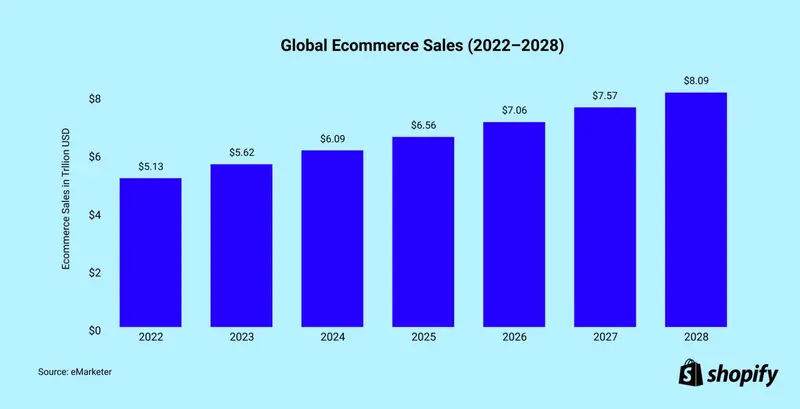
We provide the latest information to help you understand the market size and trends of cross-border e-commerce. Stay informed about global e-commerce market trends and future market forecasts to inform your overseas sales and e-commerce strategies.
This guide introduces major e-commerce marketplaces worldwide. Review the features and fees of each platform to help you choose the right cross-border e-commerce sales channel.
This article explains the meaning and benefits of global commerce. We'll cover the challenges of expanding your e-commerce business internationally and help you implement an effective cross-border sales strategy.
This book solves the challenges faced by companies with annual sales of over 1 billion yen in cross-border e-commerce. It explains the necessary functions and ROI for enterprise-scale global expansion, such as multilingual support, automatic customs duty calculation, and global payment, with real-world examples.
Localization is key to success in cross-border e-commerce. Localization needs to consider not only language and currency, but also domain names, payment methods, and cultural differences.
"What is the current market size of cross-border e-commerce?" "We want to prioritize which markets Japanese companies should enter based on data." "We want to explain the validity of our investment decisions to the management committee, taking into account the trends of major players and regulatory risks."
The presence of Japanese companies in New York has changed with the times. During the bubble economy, they even owned Rockefeller Center, one of New York's iconic buildings. After the bubble burst and the prolonged recession followed, many Japanese companies, including regional banks and those with small offices, withdrew. Now, facing a shrinking Japanese market due to a declining birthrate and aging population, expanding overseas sales channels has become a major challenge for Japanese companies. With a population of 330 million, nearly three times that of Japan, and with continued growth potential, the American market is attractive to Japanese companies.
"I want to seriously start cross-border e-commerce, but I don't know where to begin." "I want to know about success and failure stories at a practical level, not just superficial introductions." "I don't know how to change my strategy in China, the US, and Southeast Asia."
"We want to sell our products overseas, but we don't know where to start." "We're interested in cross-border e-commerce, but we can't predict the risks and investment costs." "We want to organize our platform selection and how to set up payment and logistics." These are some of the first hurdles that businesses considering overseas sales encounter.
 跨境独立站开店