跨境独立站开店
International E-commerce (Cross-border E-commerce) Strategy Guide | Steps to Success
Despite these aspirations, are you unable to take the first step towards overseas expansion due to national border barriers such as language, currency, customs duties, and shipping? International e-commerce (cross-border e-commerce) offers a great opportunity to bring about dramatic business growth, but careful strategy is essential for success.

Cross-border e-commerce can dramatically boost your business, but a solid strategy is essential for success. This article explains five key steps to successfully venturing into overseas markets: market research, website localization, pricing, global marketing, and shipping and fulfillment.
"Domestic market growth has plateaued," "We want to deliver our products to overseas customers as well."
Despite these aspirations, are you unable to take the first step towards overseas expansion due to national border barriers such as language, currency, customs duties, and shipping? International e-commerce (cross-border e-commerce) offers a great opportunity to bring about dramatic business growth, but careful strategy is essential for success.
This article explains five specific steps to successfully enter overseas markets, along with solutions offered by platforms like Shopify.
What is international e-commerce (cross-border e-commerce)?
International e-commerce (cross-border e-commerce), as the name suggests, refers to a business model that sells goods across national borders via the internet. For example, this includes cases where a Japanese business directly sells products to consumers in the United States, Europe, and other Asian countries through its own e-commerce website.
Unlike the traditional method of selling overseas through local import agents and retailers, a major feature of this approach is the ability to directly reach consumers worldwide through e-commerce sites. This frees companies from the constraints of the domestic market and enables them to target billions of potential customers around the world.
Benefits of international e-commerce
Entering overseas markets not only expands sales channels but also brings many advantages to your business.
1. Access to new markets
Even amidst intensifying domestic competition, there are still untapped markets overseas that will appreciate the value of your products. This allows you to establish a new revenue stream.
2. Improving brand awareness
By conducting business globally, brand recognition increases across borders. International brand status enhances a company's credibility and value.
3. Extending the product lifecycle
Even if demand for a product is declining domestically, it may still be in high demand in overseas markets. This can extend the product's lifecycle and maximize profits.
Five Steps to an International E-commerce Strategy
Thorough preparation and a step-by-step approach are essential for successful international e-commerce. Here are five specific steps to take.
1. Market research and selection of target markets
The first step is to determine which country or region to target. Thoroughly investigate factors such as whether there is potential demand for your products, the level of competition, the purchasing power and culture of local consumers, and the extent of entry barriers such as laws, regulations, and tariffs. Analyzing the traffic to your existing website to identify countries with high international traffic is also an effective method.
2. Thorough localization of the website
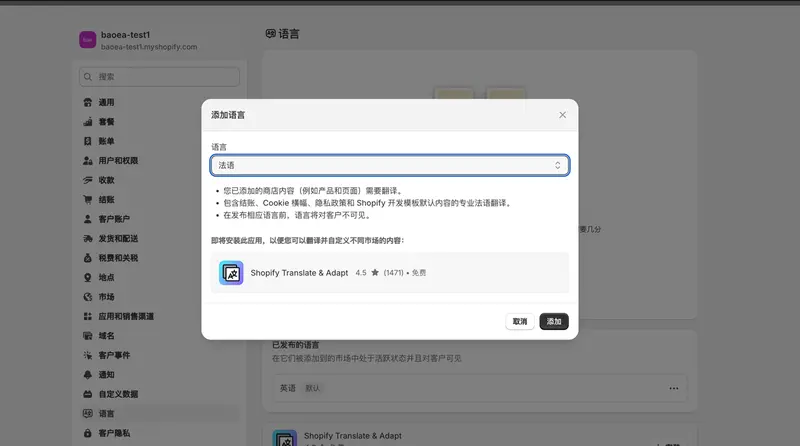
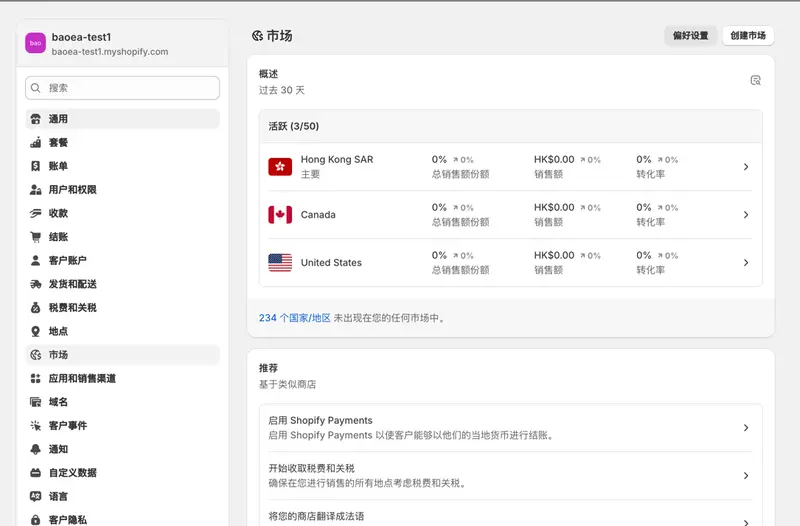
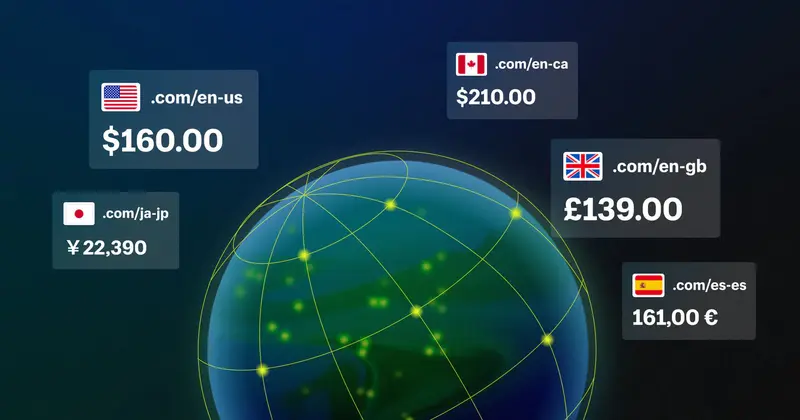
Once you've identified your target market, build an online store that's natural and easy to use for customers in that country. Tools like Shopify Markets allow you to optimize your store's language, currency, and domain for each market. However, simply translating text isn't enough. Understanding cultural context and nuances, and creating content that resonates with local consumers, is key to success.
3. Pricing optimized for each market.
Pricing is a crucial factor in determining the success or failure of international e-commerce. It's necessary to set prices that ensure profitability while maintaining competitiveness in each market, taking into account all costs, including exchange rate fluctuations, customs duties, taxes, and international shipping fees. Instead of setting the same price in all countries, a flexible strategy of adjusting prices for each market is required.
4. Global marketing strategies
Marketing also requires localization. Advertising messages and channels must be tailored to the culture, holidays, and consumer behavior patterns of each market. For example, Instagram might be effective in one country, while a completely different social media platform might be dominant in another. A locally-based approach, such as using local influencers, is highly effective.
5. Optimizing shipping and fulfillment
The logistics process, from getting products to customers, is one of the most complex challenges in international e-commerce. However, using a Merchant of Record (MERHANTER OF RECURZ) model like Shopify Markets Pro can significantly simplify this process. It handles complex tasks such as automatic calculation and collection of customs duties and taxes, arrangement of international shipping, and even return processing, allowing businesses to focus on marketing and product development—their core priorities.
International e-commerce has immense potential to transcend the limitations of the domestic market and elevate businesses to a new level.
The key to success is to base your website, pricing, marketing, and logistics on thorough market research and then optimize (localize) every aspect to suit local customers. Leveraging modern platforms like Shopify allows you to efficiently solve these challenges that were once complex and difficult.
Why not start with a small step to begin expanding your brand globally?
Are "invisible costs" and "national borders" hindering your business growth?
Are you able to focus on the core issue that business leaders should be addressing—how to increase sales—by avoiding system maintenance costs and complex international operations?
Shopify is a platform that accelerates your business by enabling both domestic distribution and global expansion.
Reduce defensive costs and invest in offensive growth. Check out our concrete solutions to achieve this.
Share this article
- Share on Facebook
- Share on X
- Share on LinkedIn