跨境独立站开店
2020 update archive | Tools and apps | Summary of Shopify API versions
In the 2019-10 release, most of the changes were related to Shopify data. However, this release focuses on products, orders, and order processing flows.
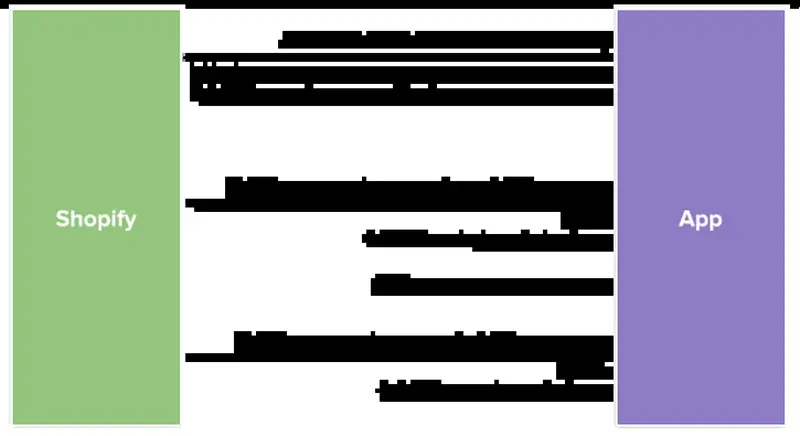
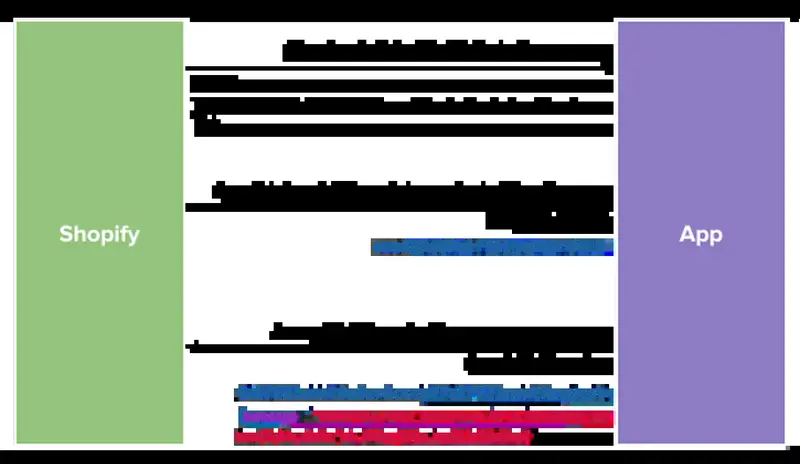
FulfillmentOrders
The introduction of FulfillmentOrders has significantly improved our fulfillment services. FulfillmentOrders provides a user-friendly state management system accessible from both merchants and apps.
Order Editing API
The 2020-01 version introduces a long-awaited feature to Shopify: order editing. Order editing can be performed via API, allowing apps to manage various aspects of orders on your shop, including editing line items and existing orders. These edits are exclusively performed via the GraphQL API and follow a begin/edit/commit pattern using three new mutations. For more detailed information, including how to collect additional payments from buyers after editing, see our guide on editing orders with GraphQL.
Smart Collection
In the previous version of the Shopify API, it was necessary to use the Collects endpoint to understand which products belonged to a particular smart collection. This model introduced an underlying performance issue. Every time there was a rule change or product addition to a smart collection, Shopify had to check all products (or all collections) to verify that the rule was valid. It then deleted or created the corresponding entry in the Collects table. Doing this can be very time-consuming if the shop has a large number of products or collections, and it could lead to a discrepancy between what is displayed in Collects and the actual state of the shop.
Product Media
Product media is a new and exciting format for when customers browse products on a storefront. Instead of static images, merchants can bring videos, 3D models, and even augmented reality (AR) to their product pages.