 跨境独立站开店
What is cross-selling? Examples and tips for making effective proposals.
This article explains the meaning of cross-selling and provides examples of how it's implemented. Learn the key points of effective cross-selling strategies to increase your average order value.

This article explains the basics and benefits of cross-selling, along with case studies and key points for effective implementation.
To increase sales on an e-commerce site, strategies to raise the average customer spend are essential. Among these, "cross-selling," which involves suggesting related products or additional services, is one of the most common sales strategies adopted by many companies. However, depending on the content and method of the cross-selling, it can be perceived as aggressive sales tactics, potentially damaging customer trust. Therefore, many people may be wondering, "How should I implement cross-selling?"
Therefore, this article will provide a clear explanation of the basics of cross-selling, as well as key points for implementing it effectively.
What is cross-selling?
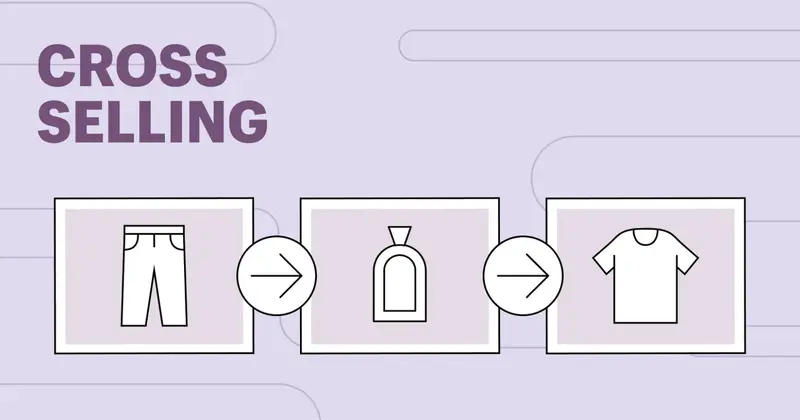
Cross-selling refers to a sales technique that involves suggesting other products or services related to the items a customer has purchased or is considering purchasing. The main objective is to increase the number of items a customer purchases and improve the average transaction value, but if used effectively, it can also increase customer satisfaction. Examples include suggesting a smartphone case to a customer who is about to buy a smartphone, or selling a set of home appliances as a "new life support set." Improving the customer experience in this way also leads to strengthening brand loyalty.
Benefits of cross-selling
- Increasing average customer spending: By suggesting related products together, the number of items purchased increases, which can lead to an increase in the average purchase amount per customer.
- Improving LTV (Customer Lifetime Value): When customers use multiple products and services through cross-selling, the revenue generated from each customer (LTV) increases, leading to long-term revenue stability.
- Customer retention: By suggesting related products and additional services, customers have more contact with the brand and service, increasing the likelihood of continued use.
- Expanding sales opportunities for products that are difficult to sell on their own: By proposing products in combination with other products, it becomes easier to convey the value of products that are difficult to purchase individually, leading to the creation of sales opportunities.
- Improved shop convenience: By displaying consumables and related products that correspond to the purchased items, customers are less likely to forget to buy items or mistakenly purchase incompatible items, thus improving the convenience of the shop.
Three examples of cross-selling applications
- Amazon
- Minimal
- ZOZO
1. Amazon
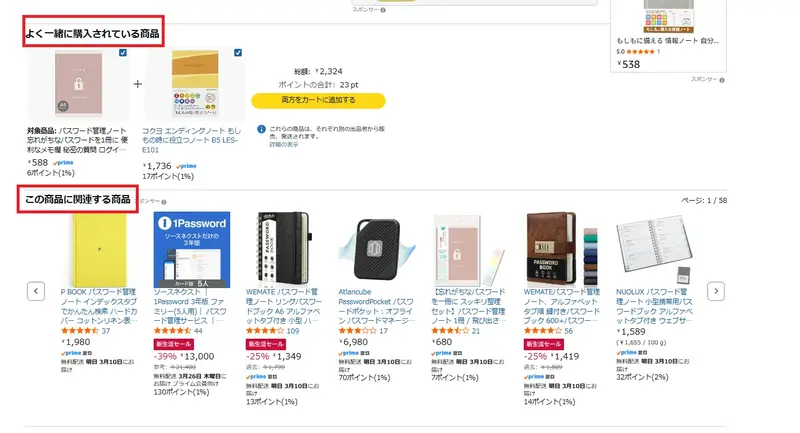
Amazon, one of the world's largest e-commerce sites, displays recommendations such as "Frequently bought together" and "Related products" on product pages and after adding items to the cart. These features allow Amazon to suggest products that are a good match for the items customers are considering purchasing, naturally promoting cross-selling.
2. Minimal
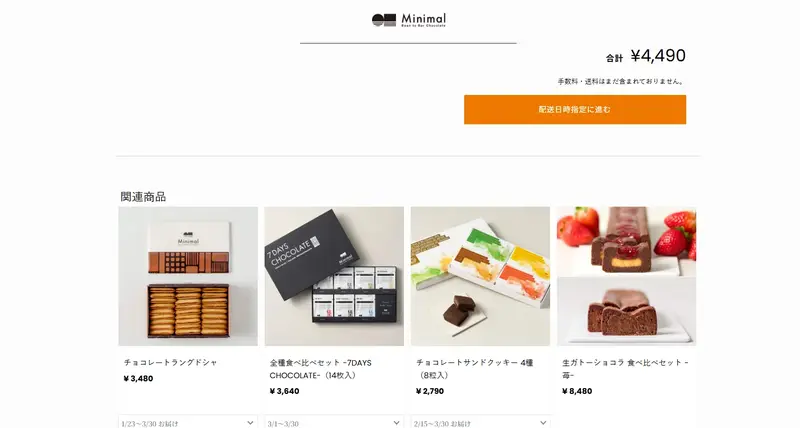
Minimal, a bean-to-bar chocolate brand, has implemented a system that displays related products on the shopping cart confirmation screen, encouraging customers with high purchase intent to make additional purchases.
3. ZOZO
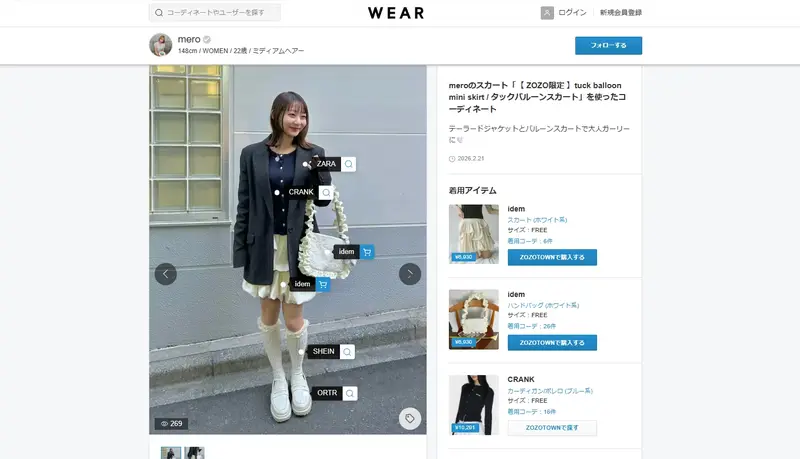
ZOZO, which operates an e-commerce site for fashion and apparel, has linked its fashion coordination app WEAR with its e-commerce site ZOZOTOWN, creating a system that allows users to transition from coordination posts to product pages. The items worn in the posted coordinations are tagged, and users can check the ZOZOTOWN product pages from there, making it possible to purchase tops, pants, shoes, etc. all at once.
Key points for effectively implementing cross-selling
- We propose products that meet the customer's needs.
- Propose cross-selling at the appropriate time.
- Utilize the recommendation feature.
- Set prices that offer good value.
- We will establish a support system after purchase.
To successfully cross-sell, it's essential to propose products that meet customer needs. By presenting highly relevant products based on the products the customer is considering purchasing, their past purchase history, and their browsing history, you can make valuable suggestions. Forcing customers to buy products that are irrelevant to their needs can give the impression of high-pressure sales, so the key is to propose products from the customer's perspective.
When cross-selling, it's crucial to propose products at the right time in the customer's purchasing process. For example, suggesting related products is more likely to be accepted when a product has been added to the cart or when the customer is running out of consumables after purchase, rather than when they are still considering the product. On the other hand, suggesting products at a time that ignores the customer's needs and circumstances can give the impression of being pushy. The key is to cross-sell naturally, taking into account the customer's behavior and situation.
To efficiently implement cross-selling, utilizing recommendation features is effective. On e-commerce sites, related products can be automatically displayed on the product page being viewed or on the shopping cart screen, naturally presenting customers with opportunities for additional purchases. For example, e-commerce platforms such as Shopify offer apps and features that recommend related products when viewing product pages or adding items to the cart. By utilizing these, it is possible to efficiently implement cross-selling tailored to customer purchasing behavior, as well as upselling by suggesting higher-end models.
To promote cross-selling, pricing that customers perceive as a good deal is also effective. For example, "bulk purchase discounts" that apply when related products are bought as a set, or policies that offer free shipping for purchases above a certain amount, are factors that increase customer willingness to buy. Rather than simply suggesting additional products, presenting price advantages makes the offer more attractive to customers, leading to an increase in the number of items purchased and an increase in the average transaction value.
Cross-selling can be implemented not only before purchase but also through post-purchase support. By providing emails and support information guiding customers on how to use the product, and suggesting related products, it may lead to additional purchases. Maintaining contact with customers after purchase and creating an environment where they can use products and services with peace of mind can lead to repeat purchases and continuous cross-selling.
Cross-selling is an effective sales technique that increases the number of items a customer purchases by suggesting related products or additional services, thereby improving average transaction value and lifetime value (LTV). By focusing on suggesting products that meet customer needs, using the right timing, and utilizing recommendation features, it is possible to increase sales while improving the customer experience and convenience.
Frequently Asked Questions about Cross-Selling
What is the difference between cross-selling and upselling?
Both upselling and cross-selling are methods to increase the average customer spend, but they differ in the products they offer. Cross-selling is a sales technique that aims to increase the average customer spend by suggesting related products or services to increase the number of items purchased. On the other hand, upselling is a technique that increases the average purchase price by suggesting higher-priced, higher-quality products.
What are the disadvantages of cross-selling?
- Depending on how the proposal is presented, it may be perceived as high-pressure selling and could damage customer trust.
- Suggesting irrelevant products can lead to decreased customer satisfaction.
- This may increase the operational effort required due to the need for proper data analysis and product selection.
What are some examples of cross-selling?
Typical examples of cross-selling include the following strategies used by e-commerce sites.
- Amazon: We utilize recommendation features that display "Frequently bought together" and "Related products" on product pages and in the shopping cart screen to encourage customers to purchase related items.
- Minimal: Related products are displayed on the cart confirmation screen, encouraging additional purchases at a time when the customer's purchase intent is high.
- ZOZO: By linking the styling app WEAR with ZOZOTOWN, we have created a user journey that allows users to transition from the items they are wearing to the product page, thereby enabling cross-selling and encouraging the purchase of multiple items.
What are some common cross-selling techniques?
- Recommendation display: Displays related products such as "Frequently bought together" on product pages and shopping cart screens.
- Additional product suggestions on the shopping cart screen: Related products are displayed during the checkout process to encourage additional purchases.
- Post-purchase follow-up: We will guide you through related products and additional services via email and recommendation features.
- Bundle deals: Offering multiple products as a set at a discounted price to encourage bulk purchases.
Share this article
- Share on Facebook
- Share on X
- Share on LinkedIn



