 跨境独立站开店
A Retailer's Guide to Token Gating and NFTs
Non-fungible tokens (NFTs) have shaken up the art world, allowing creators such as musicians and designers to control the distribution of their work. Retailers are beginning to use NFTs for token gating, a strategy that offers token holders exclusive products, special experiences, or content.

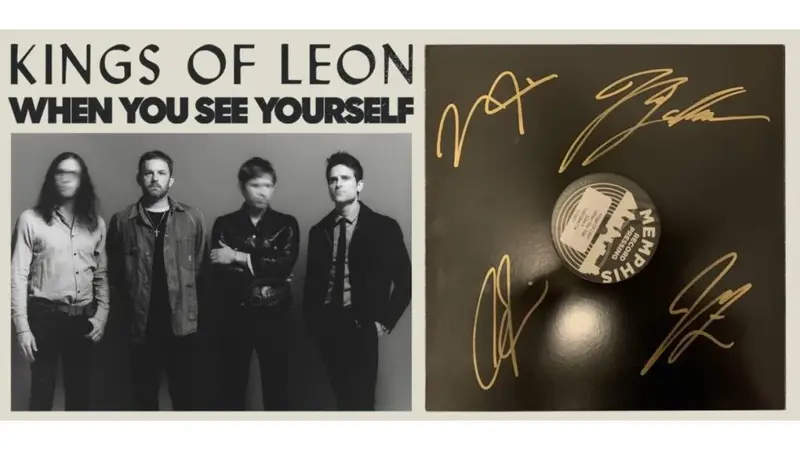
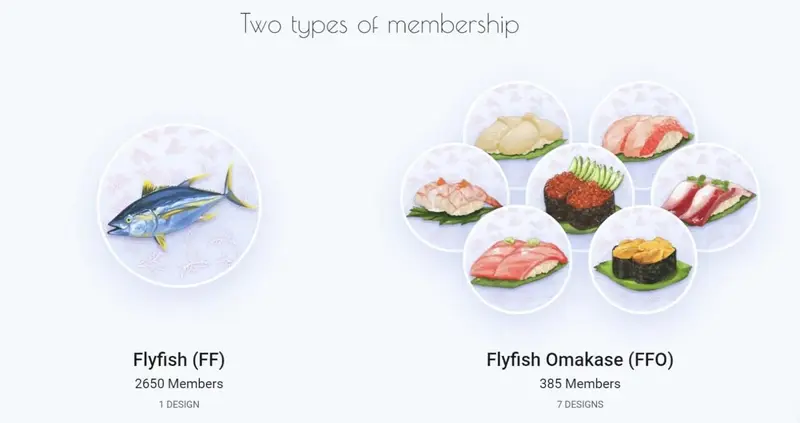
Non-fungible tokens (NFTs): their meaning and applications
"NFTs refer to non-fungible tokens stored on a blockchain, which is a digital ledger that preserves a record of each transaction," says Raj Kalem, head of development at 1687, an NFT-based membership club.
What is token gating? NFTs as digital membership cards.
Token gating is "a way to add further value to NFTs by granting NFT holders exclusive access to communities, content, and even physical goods, in addition to digital tokens," says Karem.
Differences from the conventional membership system
Token gating evolves traditional membership cards into digital credentials that can be verified on the blockchain. While traditional membership systems remain valid, token gating offers flexibility and portability.
Token Gating Overview and Mechanism
NFT holders need to verify ownership to access token-gated benefits. Terrance Blau, Technical Lead at decentralized insurance solutions company Blockchainsure, explains the technical aspects of token gating.



