 跨境独立站开店
What is persuasive psychology? This article introduces persuasion techniques using psychology.
This article introduces persuasion techniques based on psychological theories. We'll explore the key elements of persuasion and examine how persuasive psychology is actually used in e-commerce sales.




Persuasion is
Persuasion is the process of influencing the behavior of others through information disseminated by individuals or brands, or through other factors. It's important to understand that persuasion is not about coercion, but rather about facilitating natural agreement through negotiation and influence.
Why persuasion is important
In his paper "The Dynamics of Persuasion: Communication and Attitudes in the 21st Century," Richard Perloff argues that persuasion is important in the modern era for the following three reasons:
Five elements of persuasion
Source: For persuasion to work, it's crucial that the basis of the information is clear. No matter how strategic a message is, if the source isn't cited, the recipient won't trust it. Information that is supported by facts is more convincing and builds trust in the sender.
1. Reciprocity
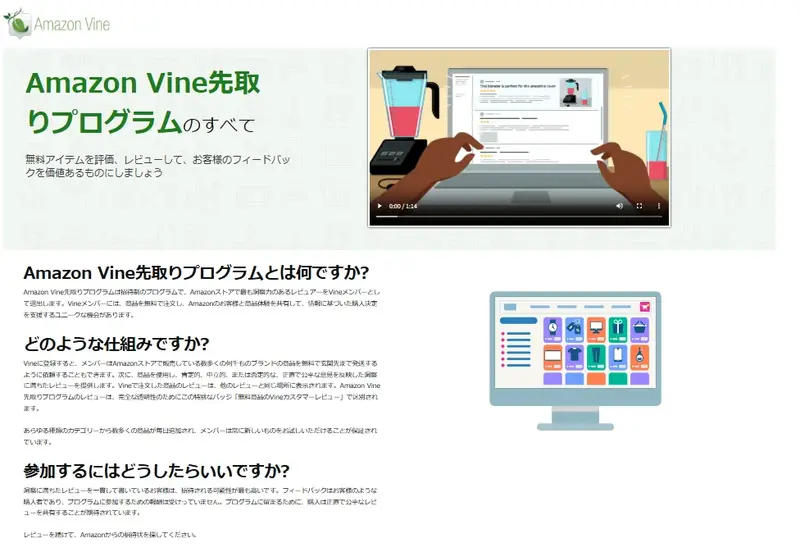
Reciprocity is the human psychological tendency to want to reciprocate when you receive something. By offering something of value first, you make customers more likely to take action, such as making a purchase or registering for a service.



