 跨境独立站开店
How to file your tax return for a side job (version)
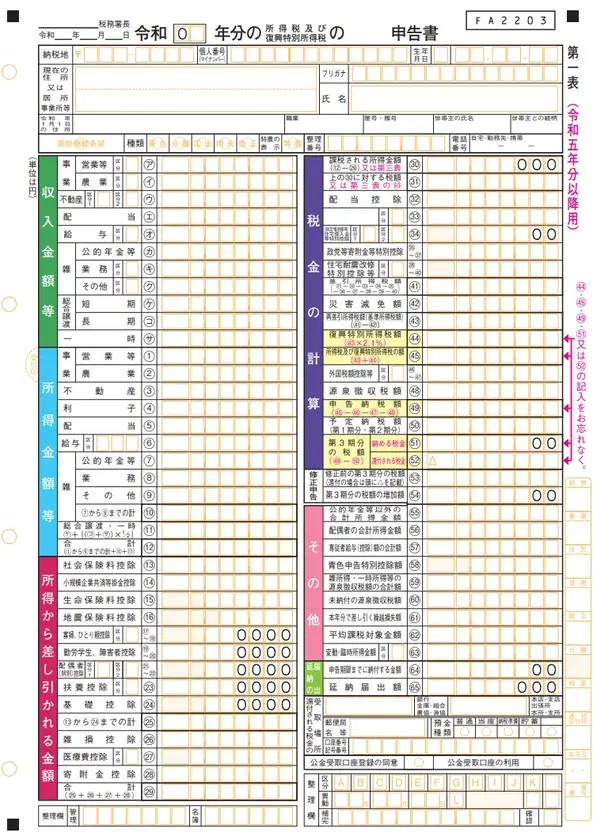
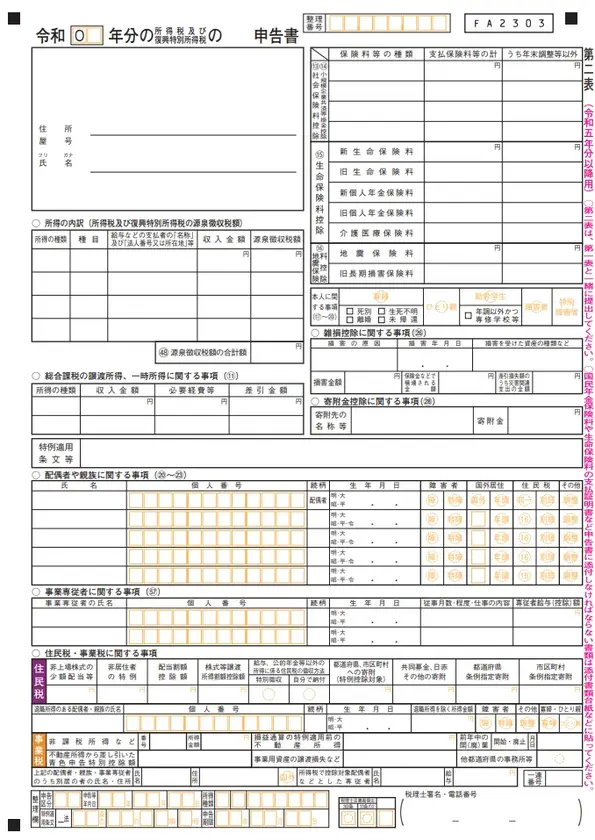
This article summarizes how to file tax returns for side jobs. It covers situations where you might need to file a tax return for a side job, income categories, and more, so you can check whether you even need to file a tax return at all.





Whether or not your side income exceeds 200,000 yen
As mentioned earlier, if your income from a side job exceeds 200,000 yen, you are required to file a tax return. It's important to note that the criterion here is income, not gross income.
Whether it is eligible for deductions or refunds
Even if your side income is less than 200,000 yen, you will need to file a tax return to receive certain deductions and refunds. Specifically, you will need to file a tax return in the following cases:
Income classification when filing tax returns for side jobs
Income earned from a side job is classified into 10 income categories as defined by the Income Tax Act. Of these, six are most likely to be considered income from a side job: dividend income, real estate income, business income, employment income, capital gains, and miscellaneous income. Different tax rates and calculation methods apply to each income category, so accurately understanding these categories is essential for filing your tax return correctly.
Dividend income
Dividends received by shareholders of companies or investors in investment trusts are considered dividend income. Dividends from listed stocks are paid after being withheld at a rate of 20.315%, so there is usually no need to file a tax return. However, if you choose the "comprehensive taxation system," which calculates income tax by combining it with other income such as salary, or if you choose the "separate taxation system," which allows you to offset losses incurred from listed stocks against dividends, you will need to file a tax return.



