 跨境独立站开店
What is psychological pricing? techniques and examples.
In recent years, rising prices have made price setting increasingly difficult, as consumers are more price-conscious than ever before. While frugality is on the rise, high-priced products with recognized quality are gaining popularity, resulting in a polarization of attitudes towards price. Furthermore, consumers' ability to gather information has improved through price information websites and social media, requiring sellers to develop more sophisticated pricing strategies.



Psychological pricing is
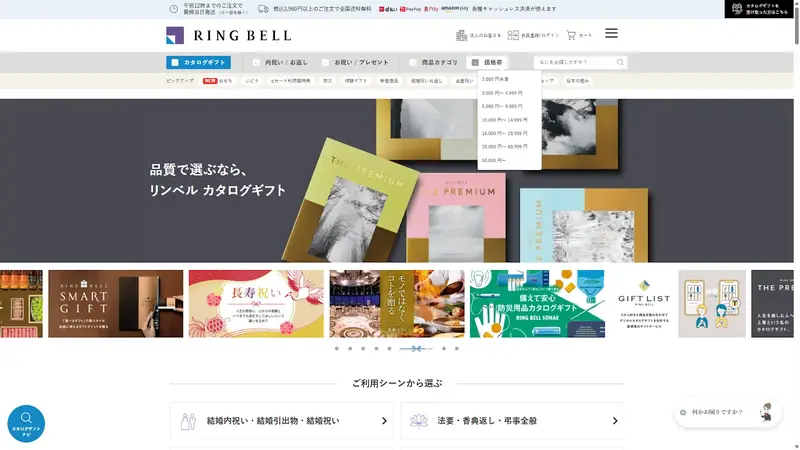
Psychological pricing is a strategy that involves devising ways to present and structure prices to influence customer behavior and purchasing decisions. Specifically, it aims to evoke psychological effects such as a sense of saving money, getting a good deal, high quality, reliability, security, convenience, scarcity, and urgency. By meeting customers' psychological needs, pricing becomes easier to understand, reducing the burden of decision-making. As a result, it can encourage purchases, increase sales and conversions, and encourage continued use through subscription services, etc.
Why psychological pricing is effective
Simply lowering prices may increase sales but risk sacrificing profits, but psychological pricing is a different approach. By adopting this concept, it becomes possible to find effective discount methods that increase sales volume without simply offering drastic price reductions, or in some cases, to maintain sales volume while raising prices.
1. Fractional price
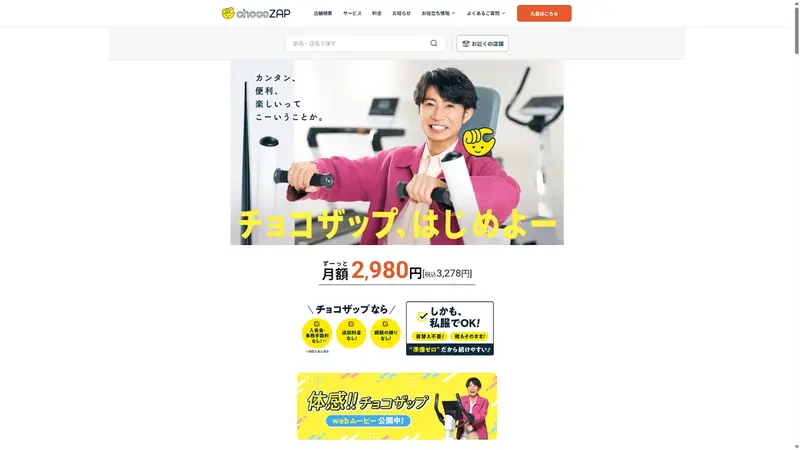
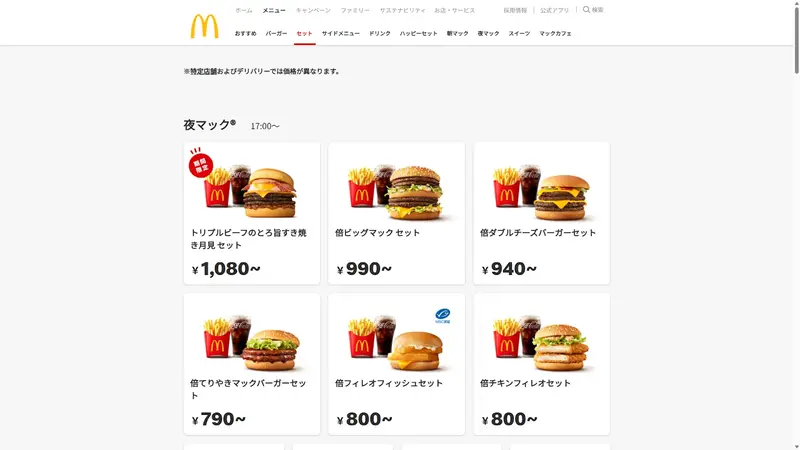
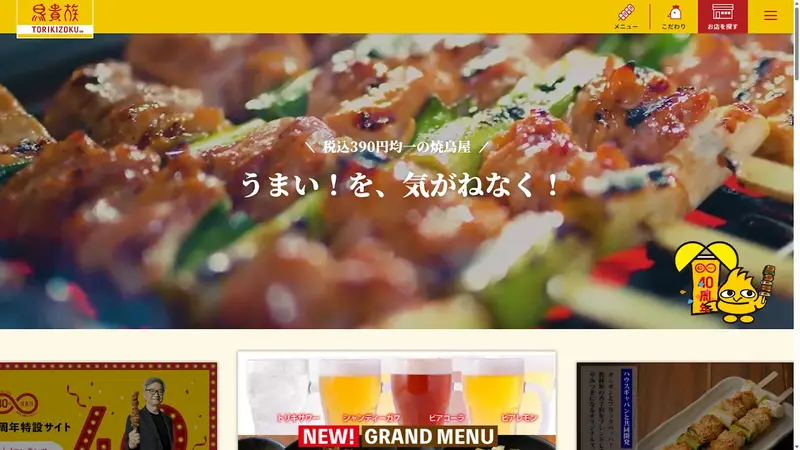
Odd-number pricing is a method of setting prices slightly lower than a round number. For example, displaying a price as "980 yen" instead of "1,000 yen" makes it seem cheaper to consumers, even though the actual difference is small. This is a common technique used in everyday life, and is widely employed in supermarkets and other retail establishments.
2. Fame Price
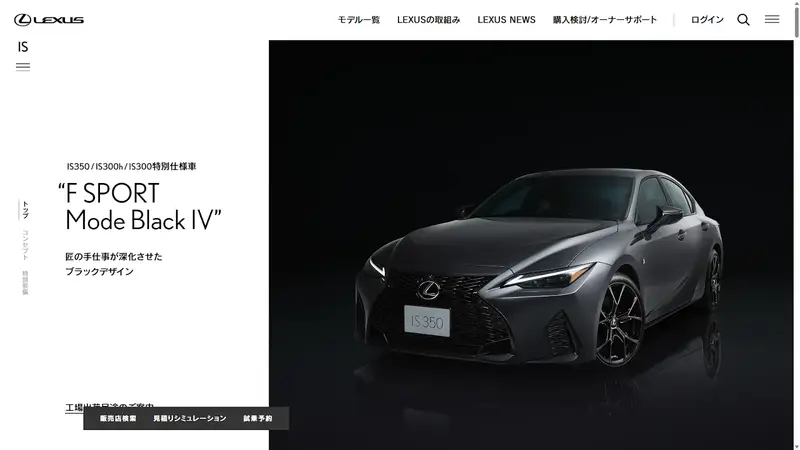
Prestige pricing is a method of setting a deliberately high price to emphasize quality and brand prestige. Because consumers intuitively associate "high price = high quality," it is often used by luxury brands and high-end lines of cosmetics.



