 跨境独立站开店
The story of the woman who created a brand that blends Tibetan ethnic clothing with modern style.
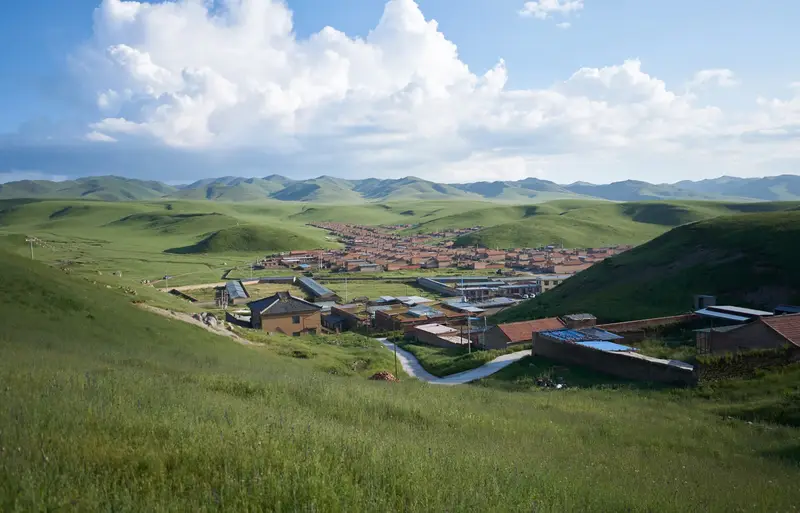
Dechen Yeshi first visited Tibet in 2004, tracing her paternal ancestry. "As I began to listen to their stories, I felt there was something I could do," she says. "So, doing something with yak wool, which was also an idea of my mother who loved weaving, made sense to me." Dechen now runs Norlha Textiles in the picturesque village of Rimota.
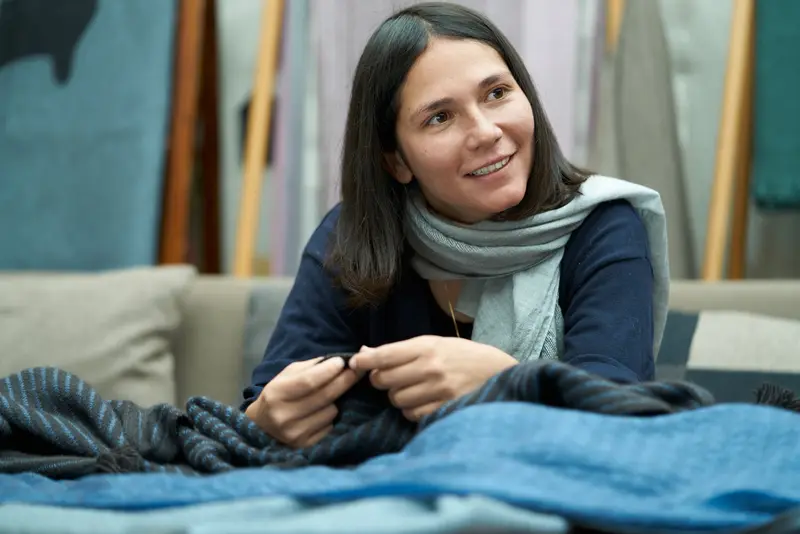
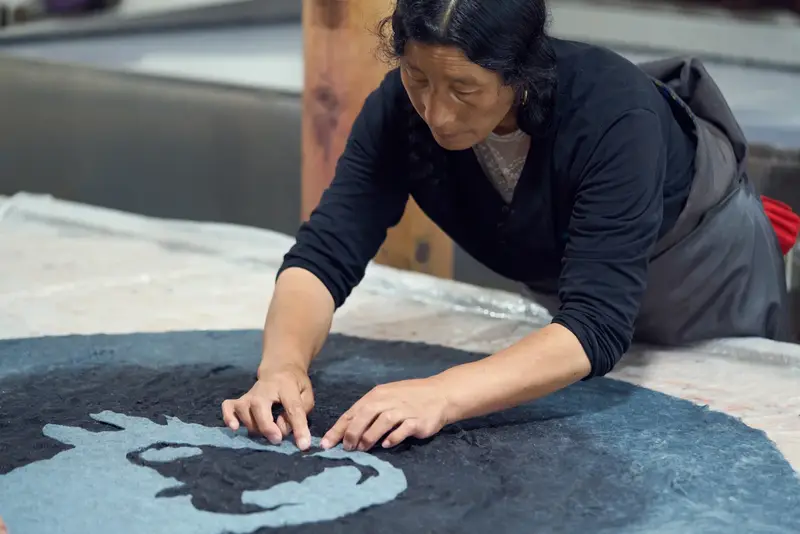
Dechen Yeshi first visited Tibet in 2004, tracing her paternal ancestry. "As I began to listen to their stories, I felt there was something I could do," she says. "So, doing something with yak wool, which was also an idea of my mother who loved weaving, made sense to me."
Dechen Yeshi first visited Tibet in 2004, tracing her paternal ancestry. "As I began to listen to their stories, I felt there was something I could do," she says. "So, doing something with yak wool, which was also an idea of my mother who loved weaving, made sense to me."
Dechen currently runs Norlha Textiles in the picturesque village of Rimota. This marks the birth of the first luxury brand from this area, known to the Tibetans as the Amdo district (her mother, Kim Yeshi, was the initial investor and still serves as president today).
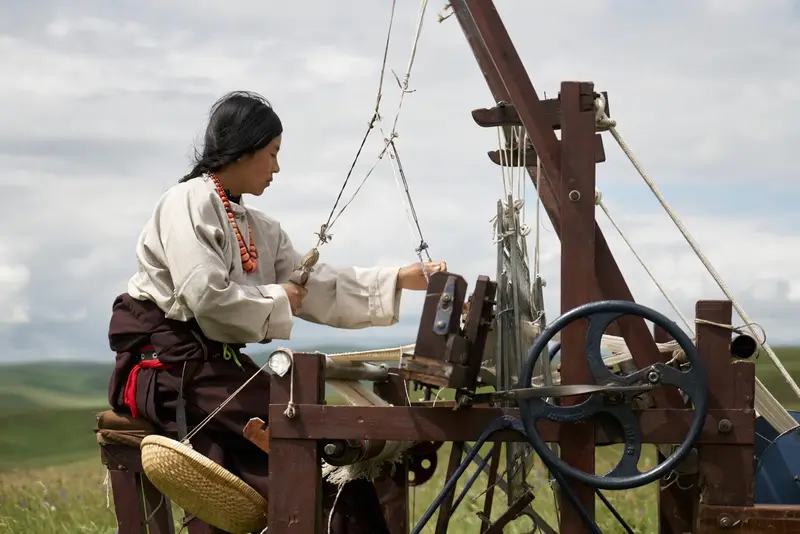
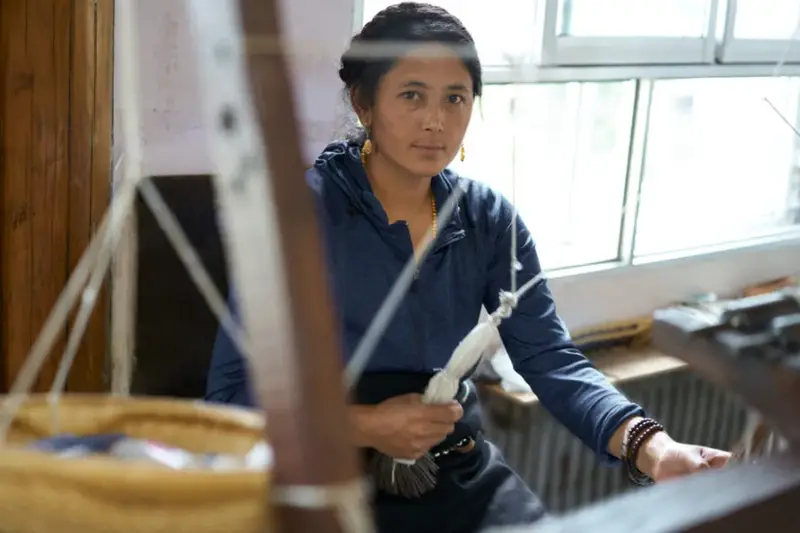
Dechen and his team initially started by manufacturing soft scarves that were also used by European fashion brands such as Hermes and Louis Vuitton. Now, these scarves are produced under Norlha's own label, along with knit caps, pullovers, blankets, and more. Dechen did more than just create the brand; Norlha now employs 140 artisans, and in this way, they have also generated a local economy.
When Dechen first arrived in the village, she noticed that the young people felt very left behind and were driven by the need to leave their hometown and go to the big cities of China. Everyone wanted to be a part of globalism and modernity, she says. But, "Families were divided, so creating jobs was crucial to keep the young people home. That way, they could continue the culture and traditions with their children and parents." That was her starting point.
Living in such a remote location was fraught with difficulties at first. When we first arrived, the village lacked paved roads, plumbing, and sufficient electricity. You can imagine how challenging it was to start a new business from scratch. "The villagers all thought we were crazy. How were we supposed to make products? We had to train everyone in the village. The only things we had were raw materials."
Nevertheless, I felt I had to move forward no matter what, so "first, I needed to let the villagers know that I was going to live here. At that time, I felt very fortunate to have had the opportunity to grow up and get an education outside of my village, and that I was still young. I felt like I could do anything."
Over the next few years, Dechen contacted nomadic tribes who collected yak wool, and then traveled with them to Cambodia to learn weaving. "We weren't simply buying yak wool and transporting it to factories. That in itself wasn't anything special; what was more important was maintaining the added value of creating jobs from raw materials."
Over time, she learned the local dialect and instead offered English and computer classes to her employees. Not only that, her business also supports its employees through a co-ed amateur basketball team.
Six thousand yaks roam the Amdo region. When spring arrives and they shed their winter furs, the nomadic people gather their wool. They don't cut or comb the wool; they simply wait for it to fall out naturally. This indicates that the main raw material is fluid and often purchased in bulk once a year. Here, by mastering the flow of goods, they were able to meet the growing demand while also paying their employees' wages.
But above all, they are focused on creating fashionable products. "We don't want people to buy our products out of pity. Those kinds of customers don't come back, and it's not sustainable. We have to build a sense of identity, a sense of style. The company is still like a teenager, but we have to grow," he says.
In the ten and a half years since coming to Tibet, Dechen is now a mother of three and is seeking new growth opportunities at Norlha Textiles. She is hiring international interns, focusing on software, and reusing older designs.
"My dream is to become the world's first high-end Tibetan brand."
read more
- 30 Stylish E-commerce Sites Built with Shopify, Selected by Designers
- What's the secret to BODYBOSS's massive success in Japan, born from crowdfunding? It's the collaboration between Shopify and Shippino that's behind it.
- Breaking new ground in the market with innovative ideas! An interview with the highly-anticipated Cuzen Matcha [Latest E-commerce Trends from America: Innovative Business Edition]
- Our thoughts on Nagi, a femtech brand that listens to the real voices of women.
- "Turning your passion into a business": Successfully balancing work and e-commerce! What's the secret?
- The story of FHE, which sells a wide range of products online, from hockey goods to school uniforms.
- Helping women who struggle to choose clothes: The efforts of the noteworthy D2C brand SOÉJU
- Student stress transformed into a globally acclaimed product!? Exploring the idea behind the digital window "Atmoph"
- Conversations with Mom Turned into a Business?! The Secret to the Huge Success of Exporting Lunchboxes: "It's Guaranteed to Sell! It's Going to Be a Success!"
FAQ
Who is the founder of Norlha Textiles?
What kind of business is Norlha Textiles?
How did Norlha Textiles revitalize the region?
Share this article
- Share on Facebook
- Share on X
- Share on LinkedIn



