 跨境独立站开店
Tips for Food Photography: How to Take Professional-Looking Food Photos
This article explains tips for photographing food. If you want to convey the deliciousness of your food, simply pointing the camera and taking a picture is not enough. Consider various elements such as the background, the direction of the light, and the angle of the plate.




1. Choose a background that suits the dish.
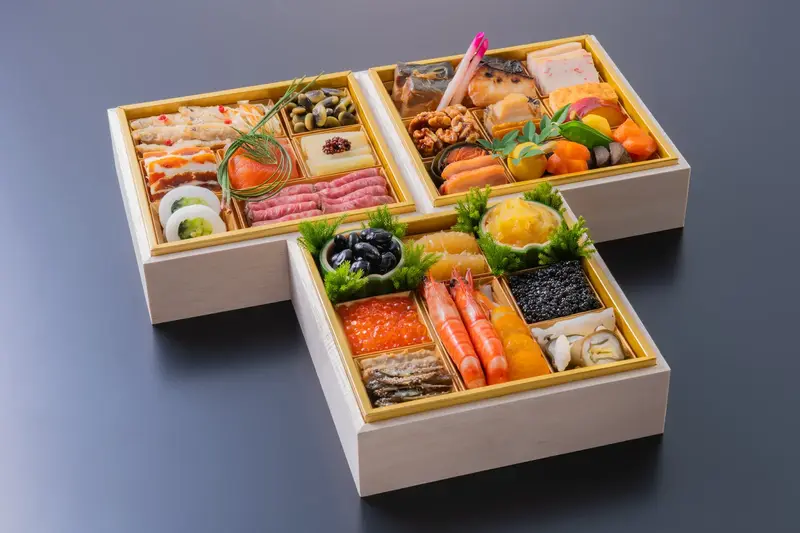
To highlight the colors and textures of your food, a simple and calming background is recommended. For example, natural tones such as white, beige, and wood grain go well with any dish and create a sense of cleanliness. For Japanese cuisine, a wooden table or a background with a washi paper-like texture would be ideal, while for Western cuisine, linen fabric or a marble pattern would work well. Matching the background to the style of your food will create a more cohesive look.
2. Adjust the brightness and direction of the light.
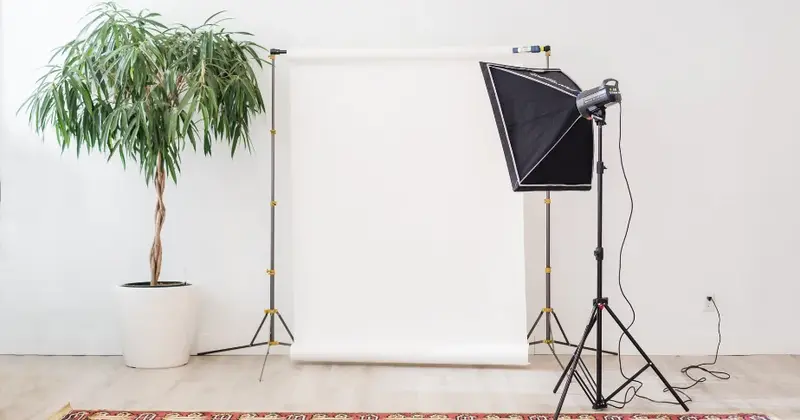
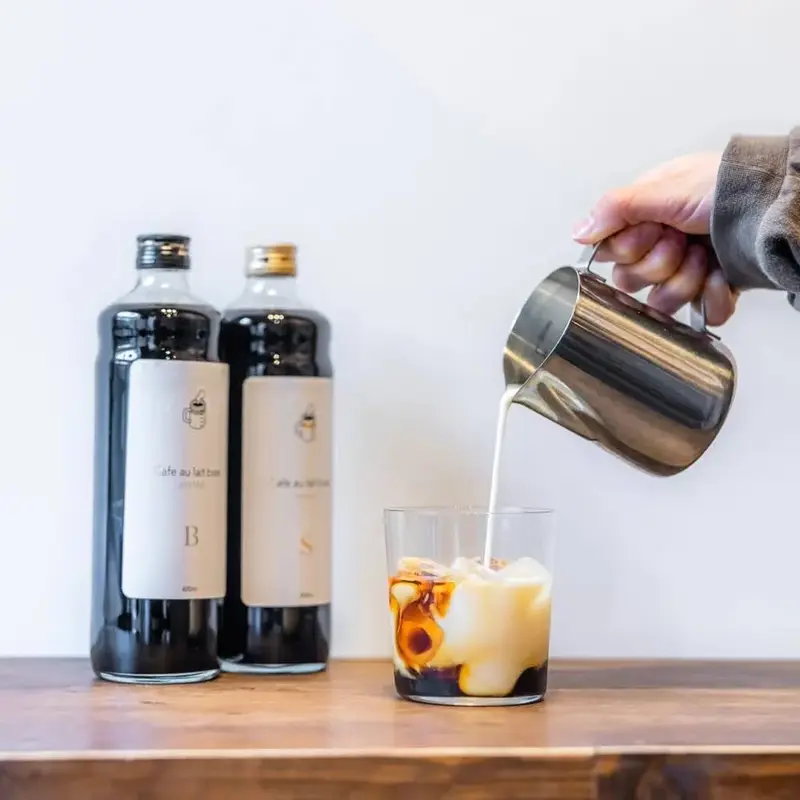
Ideally, you should use natural light for your photos, especially soft light coming through a window, which beautifully brings out the texture and three-dimensionality of the food. Instead of direct light from above, use light from the side or at an angle to create shadows, increasing the sense of depth and warmth. Shooting with backlighting will highlight the transparency of drinks and the steam, resulting in a more immersive photograph.
3. Be mindful of creating a composition that conveys the deliciousness.
First, be mindful of where to place the main attraction of the dish. Instead of centering it in the photo, slightly shifting it using the "rule of thirds" will create a natural and balanced impression. An overhead shot is suitable for one-plate dishes where you want to show the whole dish, while a 45-degree angle is ideal for pasta or desserts where you want to create a sense of depth.
4. Stabilize the camera.
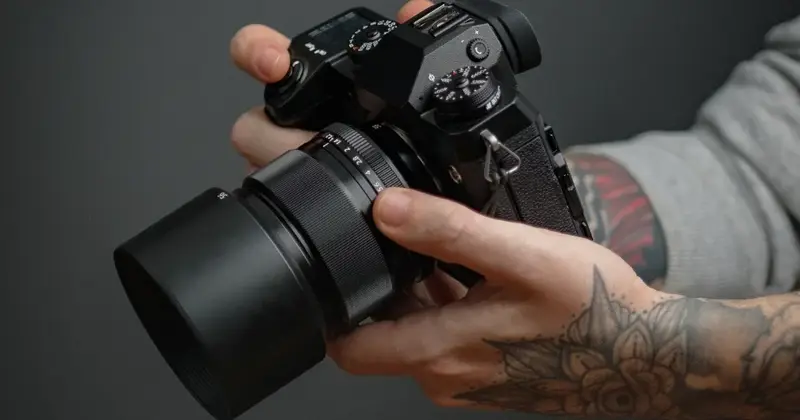
Camera shake can ruin the texture and beauty of the details of your food. This is especially true in low-light environments such as indoors or at night, where even slight blurring is more noticeable. Using a tripod is the most effective solution, but with a smartphone, simply resting it on a table or stand, or supporting it with your elbow, will increase stability.



