 跨境独立站开店
Personalizing E-commerce Websites
This section introduces concrete examples of personalizing e-commerce websites. Review the implementation examples and methods to improve customer experience and increase sales.




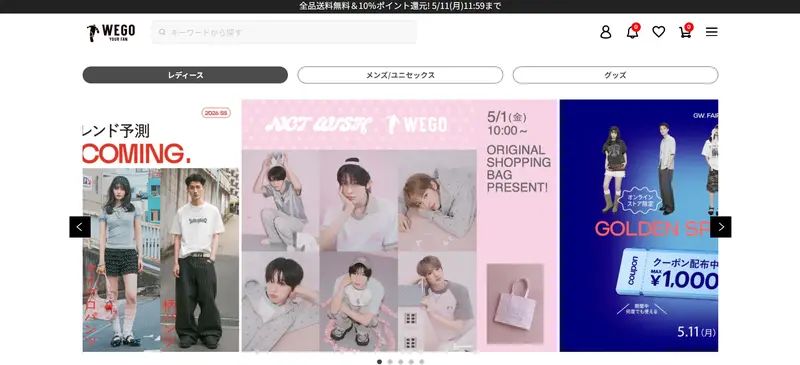

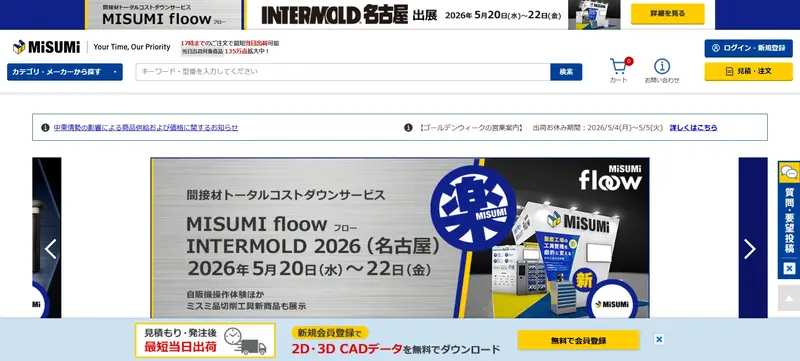


What is personalization of e-commerce sites?
Personalizing an e-commerce site involves delivering the most relevant content, products, and messages based on each customer's behavior, preferences, and purchase history. Instead of displaying the same screen to everyone, the displayed content and recommended products are changed according to the visitor.
Improving conversion rate
Personalizing e-commerce sites can lead to improved conversion rates. A survey conducted by BrainPad Inc. among 656 men and women aged 10 to 50 revealed that 81% of users felt their purchasing intent increased when they received "personalized suggestions" on fashion and apparel e-commerce sites.
Improving the customer experience
Personalizing e-commerce websites is an effective way to improve the customer experience. A survey by BrainPad Inc. showed that 59% of respondents cited "search and product display" as the reason for a positive experience on an e-commerce site. This suggests that websites that make it easy to find products tend to receive higher customer satisfaction ratings.
Expansion of Average Order Value (AOV)
Personalized recommendations have the effect of increasing the average purchase value per customer. A survey conducted by Silver Egg Technology targeting 30 fashion e-commerce sites reported that recommendations contributed an average of 10.12% to sales, and that the number of items purchased through recommendations increased by approximately 1.5 times compared to purchases made without recommendations.



