跨境独立站开店
E-commerce site customization guide | Cost estimates, unique features, and scalability
"We want to incorporate unique features to match our business workflow," "We want to break away from template-like designs and express our brand's worldview," "Our current platform no longer meets our requirements."

Introduction
While a website might suffice with a template in its initial stages, as sales grow, requirements such as unique promotional strategies, inventory management, membership programs, and integration with core systems accumulate one after another. This is where customization becomes a consideration.
1. What is e-commerce site customization?
Customizing an e-commerce site involves modifying and adding features and designs that cannot be achieved using only the standard functions and designs, in order to match your company's sales methods and business workflow.
1-1. Three areas of customization
For example, when building an e-commerce site using Shopify, you can adjust the design with themes, add necessary functions with apps, and then handle only the parts with unique requirements using APIs or custom development.
1-2. The difference between changing settings and customizing.
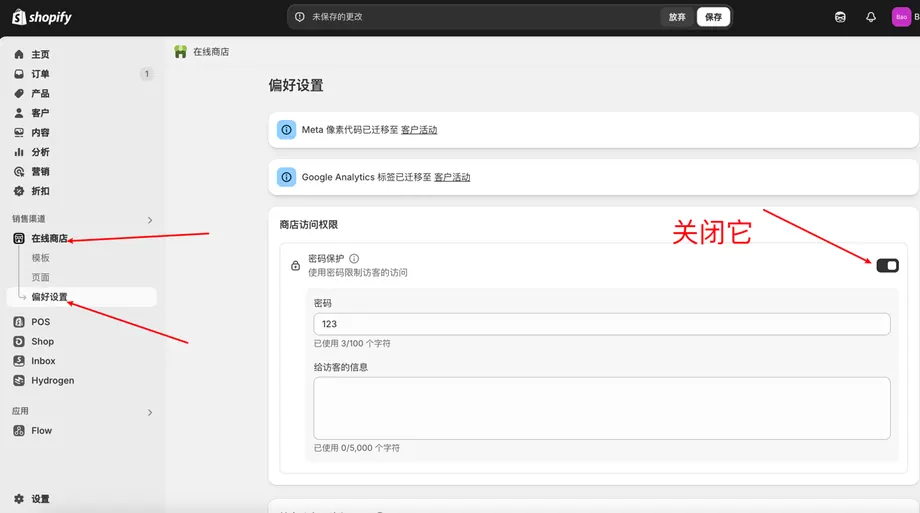
For example, if you only need to add a shipping method when building an e-commerce site, this can often be handled through the settings in the administration panel.