 跨境独立站开店
Virtual try-on app: Virtual fitting for e-commerce sites
Virtual try-on apps offer numerous benefits, including reduced return rates. Building an e-commerce site with Shopify makes it easy to implement virtual fitting functionality. This article will introduce successful virtual try-on app examples and Shopify-based try-on apps.



This article introduces the benefits of incorporating virtual try-on (virtual fitting) into e-commerce sites and provides examples of its application.
Online shopping has become an indispensable part of our lives. However, it's true that some consumers hesitate to buy online because they're unsure about sizing or can't tell if something will suit them without trying it on. To help these consumers shop with confidence on e-commerce sites, virtual try-on (virtual fitting) is gaining attention.
This article will explain virtual try-on, a trend gaining attention in 2024 consumer trends, and will also discuss the benefits of using virtual try-on apps for e-commerce sites, successful examples of virtual try-on app implementation, and Shopify's virtual try-on app. Those planning to open an online shop or considering launching an apparel brand should definitely refer to this article.
What is virtual fitting?
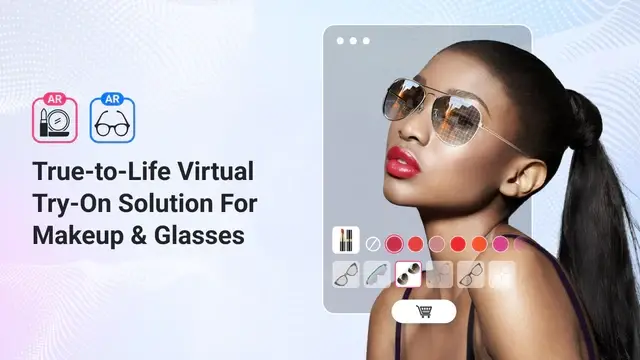
Virtual try-on is a system or service that allows you to try on clothes and other items on a device such as a computer or smartphone. It can include not only clothing but also accessories, glasses, and other fashion items, and some services even allow you to try on cosmetics.
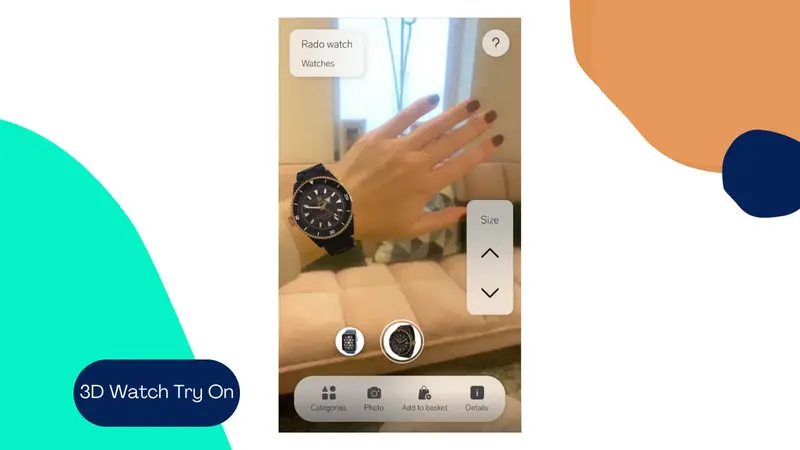
Virtual try-on utilizes augmented reality (AR) technology. Customers first use an app to take photos of their body or room, and then overlay 3D data of the items they want to try on or check the size of onto the images. This allows them to view product images from various angles, as if they were actually trying on the items or placing them in their room.
Thus, an increasing number of online shops are adopting AR (augmented reality) because it allows customers to virtually try on clothes and check the size of products online, overcoming the drawback of e-commerce sites where customers cannot physically examine the items.
Benefits of introducing a virtual try-on app to an e-commerce site
Reduce the return rate
The biggest benefit for companies implementing virtual try-on apps is the reduction in product return rates. According to the "Global Online Shopping Report," a joint study by Snap and research firm Foresight Factory, implementing virtual try-on apps resulted in a return rate reduction of up to approximately 42%. By using virtual try-on apps that enable AR (augmented reality) try-on, companies can lower the high return rates of e-commerce sites.
Preventing lost opportunities
Virtual try-ons prevent lost sales opportunities due to customers not having time to visit a store to try on items. In the case of furniture, customers can see how the item would look in their own room without having to check the actual size in a store, making it easier to decide on a purchase.
Reduction of labor costs and space
Virtual try-on eliminates the need for staff to assist with fittings, as is the case in physical stores. Furthermore, using virtual try-on eliminates the need for fitting rooms, which are essential in physical stores, leading to reductions in labor costs and space requirements. Virtual try-on allows for personalized service tailored to each user, and by recommending personalized products and related items, an increase in average purchase value can be expected.
Success stories of virtual try-on apps
Amazon
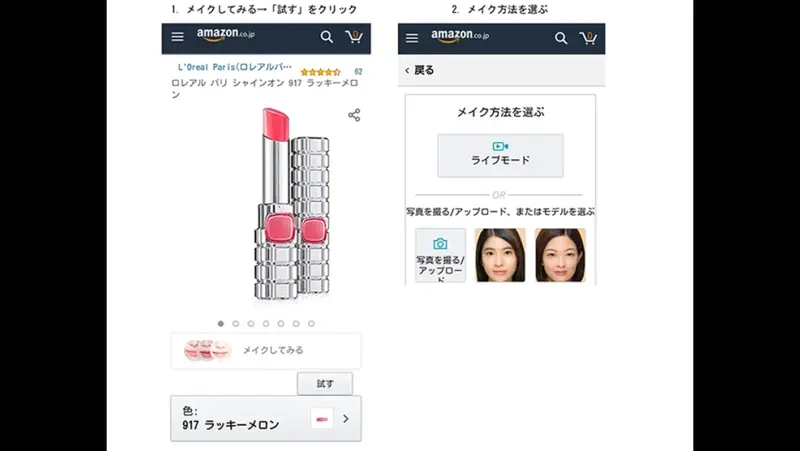
Amazon has introduced various virtual try-on apps, and one that is attracting particular attention is "Virtual Makeup." Using AI (artificial intelligence) and AR (augmented reality) from ModiFace, provided by the French cosmetics company L'Oréal Group, users can virtually try on makeup items. Its key feature is the convenience of being able to try on lipsticks, eyeshadows, and other products using a photo of your own face and purchase them directly if you like them. There is no need to ask staff to try on items in a store, and you can try on any color you are interested in, making it easier to find products you like and leading to a higher purchase rate.
Zoff
Eyewear brand Zoff has collaborated with Auglio, a developer of cutting-edge AR/virtual mirror platforms, to develop "Easy Zoff Virtual Fitting," a service that allows users to virtually try on glasses online. The service launched on March 15, 2024, at the official Zoff online store. "Easy Zoff Virtual Fitting" measures the size of your face and uses that data to try on glasses and sunglasses that closely match your actual size. You can also select your preferred frame and lens color, allowing you to try on eyewear that is customized to your liking.
SHOPLIST
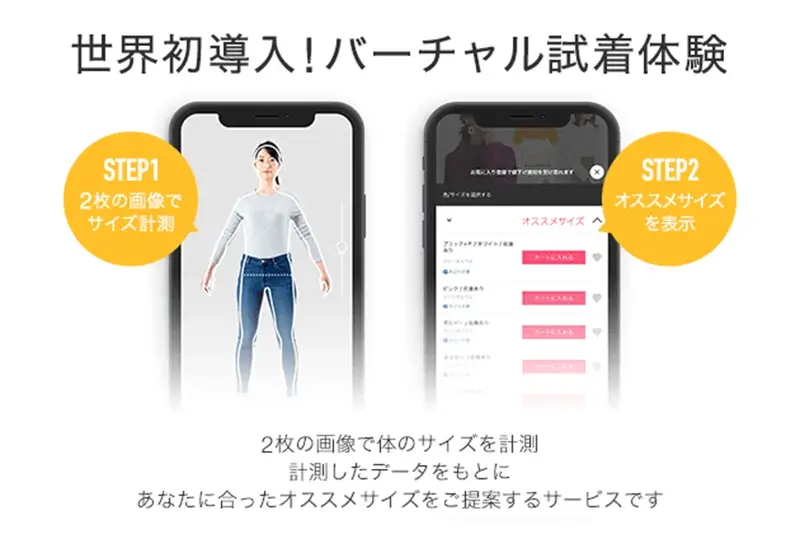
SHOPLIST, an online retailer of fast fashion brands, has introduced the world's first virtual try-on app using "bodygram," a high-precision body measurement technology. Using four pieces of information (height, weight, gender, and age) and two full-body photos, it enables highly accurate measurements. In addition to virtual try-ons based on these measurements, the app displays the optimal size and products. This reduces the number of customers who find the sizes wrong or are unsure of their size, leading to reduced returns and increased sales.
Aoyama Clothing
Aoyama Clothing launched a virtual try-on service using AI and AR technology on its official online store on September 27, 2023. A key feature is that it allows users to easily experience realistic try-ons on their smartphones without needing to install a dedicated app. Simply click the "Virtual Try-on" button on the product page, follow the on-screen instructions, take a photo, and enter your height, waist, and hip measurements to virtually try on clothes. By ensuring your entire body is visible on the screen, you can see how the clothes move naturally in response to your body movements, giving you the feeling of actually trying them on.
Shopify's virtual try-on app
YouCAM Virtual Try
YouCam Virtual Try utilizes the latest virtual try-on technology to provide customers with virtual try-on services for cosmetics and eyewear. It supports up to 10 categories of cosmetics and eyewear products, allowing virtual try-ons from any device. Its precise face mapping technology ensures a perfect fit to the customer's face, and it allows for instant before-and-after comparisons.
Poplar AR/3D product viewer
Poplar AR/3D product viewer is a 3D and AR embedded virtual try-on unit app for e-commerce. It can convert photos of a wide variety of products, from furniture to accessories, into 3D models.
Senswear
Senswear is a virtual shoe-trying service featuring a 360-degree view. Customers can examine shoes in detail from every angle, and if they like the shoes they virtually try on, they can add them to their cart with a single click.
Virtual try-on is a service that allows customers to try on clothes online, and it is widely used for everything from clothing, glasses, and cosmetics to furniture. While e-commerce sites have become incredibly popular, some consumers still feel uncomfortable shopping online because they cannot physically examine the products. By incorporating virtual try-on apps or AR try-on apps, customers can check the fit and size, eliminating their anxieties and leading to increased sales and reduced return rates.
Shopify offers a variety of virtual try-on and AR try-on apps, so you can start a try-on service simply by choosing and installing the app that suits your needs. In addition to apps, Shopify also provides a free tool called size.link that makes it easy to check product sizes. Businesses looking to enhance the customer purchasing experience and boost sales should consider using these tools.
FAQ
What is virtual fitting?
Virtual fitting is a system or service that allows you to try on clothes and other items on a device such as a computer or smartphone. It allows you to try on not only clothes, but also fashion accessories such as jewelry and glasses, and some services even allow you to try on cosmetics.
What is AR technology?
Augmented reality (AR) technology combines digital information with the real world to provide realistic experiences that mimic real-life interactions. Leveraging these characteristics, it has recently been adopted in applications such as virtual try-on apps. Using AR technology offers advantages such as conveying images more effectively than photos or videos.
Share this article
- Share on Facebook
- Share on X
- Share on LinkedIn



