 跨境独立站开店
What is dynamic pricing? Mechanisms, methods, and examples.
This article introduces the mechanisms and main methods of dynamic pricing, along with examples. Understanding its applications, advantages, and disadvantages will help you implement effective pricing strategies.






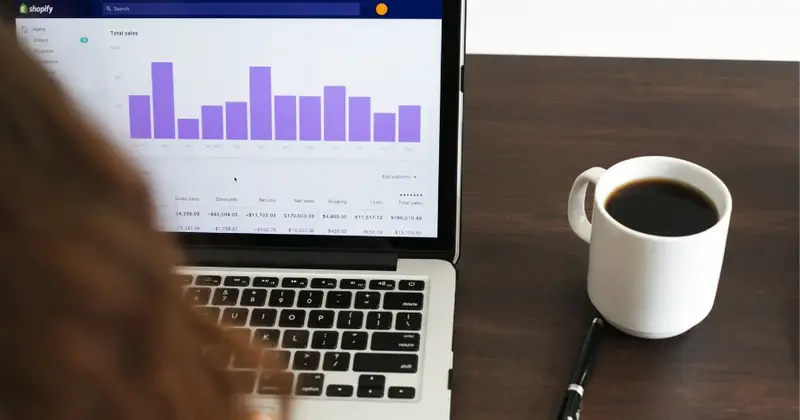

What is dynamic pricing?
Dynamic pricing is a pricing strategy that flexibly changes the price of goods and services. Also known as "variable pricing" or "dynamic pricing," it sets prices based on factors such as the balance of supply and demand, inventory levels, competitive pricing, and the amount that each customer is willing to pay.
Dynamic pricing mechanism and concept
Effective implementation of dynamic pricing requires data collection and analysis. Specific data influencing price fluctuations include competitor pricing, inventory levels, e-commerce site traffic, and sales performance. Based on this data, algorithms and rules are established to determine "the most appropriate price at that moment."
1. Time-based pricing
This is the most common method of adjusting prices depending on the time of day or season. Prices are set to increase during peak seasons and decrease during off-peak seasons.
2. Pricing by customer segment
This method involves setting different prices based on customer segments (attributes). By differentiating prices based on age, usage conditions, etc., it's possible to cater to a wide range of customers.



