跨境独立站开店
What is warehouse management? Includes job duties, tips for efficient management, and useful tools.
This article explains the main tasks of warehouse management and tips for improving efficiency. Understand the key points of the operations and how to choose a WMS (Warehouse Management System) to achieve smooth warehouse management.



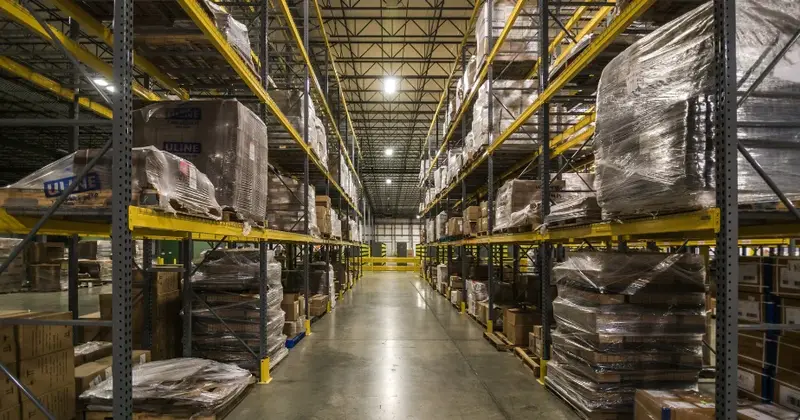


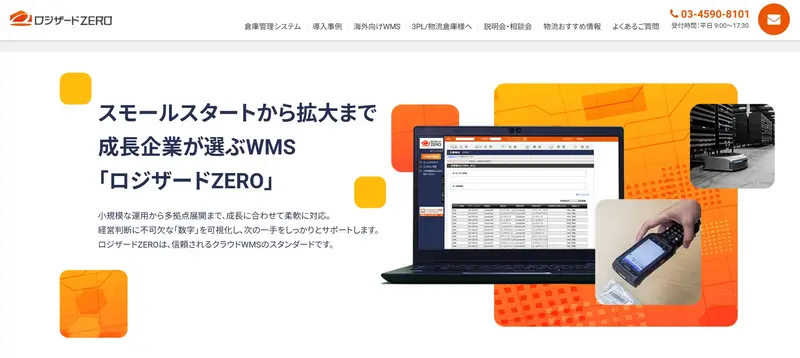
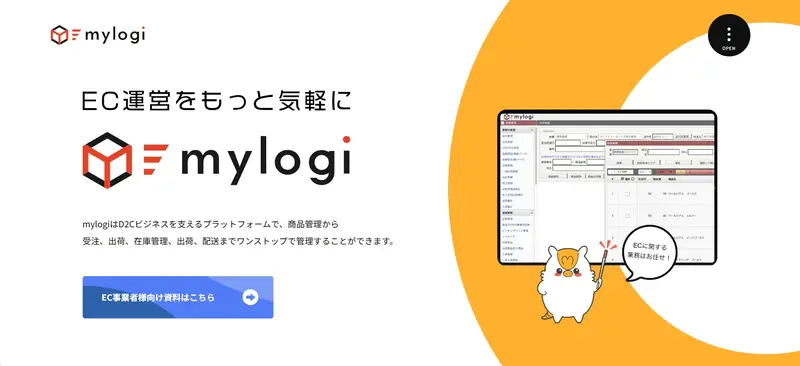
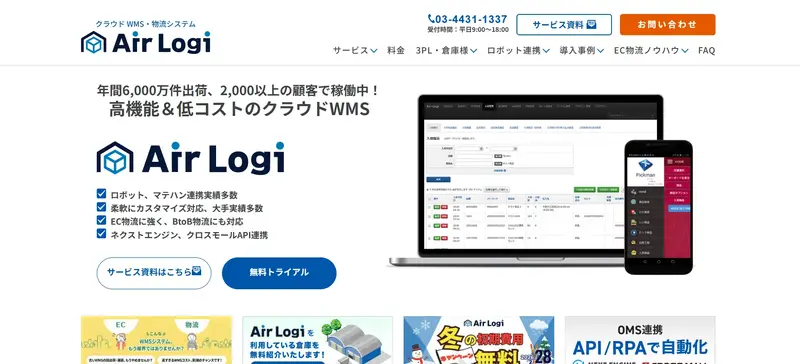
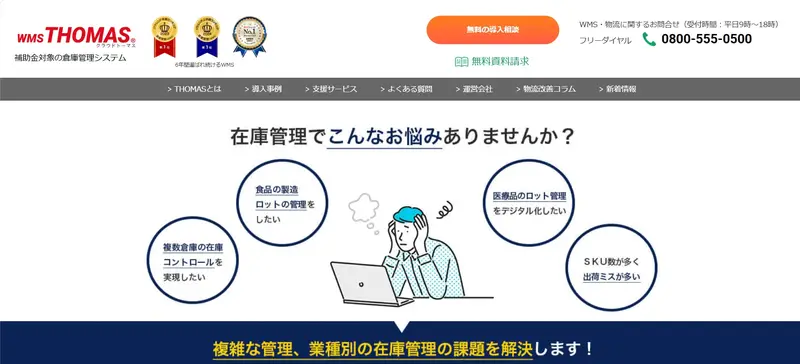
What is warehouse management?
Warehouse management refers to the operations involved in managing goods, inventory, storage locations, and work status within a warehouse, ensuring smooth and efficient operations from receiving to shipping. Main warehouse management tasks include receiving, inspecting, storing, picking, packing, shipping, and inventory management.
Differences from similar terms
Inventory management: This involves managing "how many" items are in stock to prevent stockouts and excess inventory. Warehouse management includes inventory management within the warehouse, while inventory management also includes inventory held by stores and suppliers outside the warehouse.
Benefits of warehouse management
It becomes easier to accurately track inventory levels: By organizing and managing inventory quantities and storage locations, you can prevent inventory discrepancies.
Receiving and inspection work
Receiving and inspection involves receiving goods that arrive at the warehouse and checking their quantity, condition, and product number. After confirming that there are no incorrect deliveries, such as discrepancies in quantity or product number, and no damage, the goods are moved to the appropriate storage location. Mistakes during receiving and inspection can lead to inventory discrepancies and incorrect shipments later on, making this one of the most important processes in warehouse management.