跨境独立站开店
How to sell private label products online without inventory
You can commercialize your own designs and brands and entrust the entire process, from manufacturing and inventory management to delivery, to a fulfillment provider.
You can commercialize your own designs and brands and entrust the entire process, from manufacturing and inventory management to delivery, to a fulfillment provider.
Looking for a hassle-free online business idea? With private label dropshipping, there's no pressure to develop products. Simply choose existing products, add your brand and designs, and our dropshipping partners will select, pack, and ship them to your customers.
According to a 2024 Bazaarvoice survey, 64% of American consumers had purchased private label products in the past six months, and 44% reported switching their regular purchases to private label products.
This article offers tips for running a private-label dropshipping (inventory-free) store and introduces how to choose products suitable for inventory-free sales.
What is inventory-free selling of private label brands?
Private label dropshipping, or selling without inventory, involves selling third-party products directly to customers under your own brand or design. The main advantages of this business are that you can start an online business with a low budget and you don't need to hold any inventory.
Unlike typical private label businesses, you can sell your private label products without holding inventory, eliminating the need for significant initial investment. Startup costs such as product development, warehouse management, and order processing are handled by a third-party dropshipping supplier.
Private brand products sold without inventory
Examples of private label products suitable for dropshipping are as follows:
- Clothing (T-shirts, sweatshirts, socks)
- Beverages (tea, sparkling water, soda)
- coffee
- Cosmetics (makeup, lotion, hair care)
- Smartphone case
- Supplements (vitamins, herbs, antioxidants)
- Electronic devices (headphones, speakers, chargers)
- Home decor (cushions, blankets, wall art)
- Toys (baby toys, pet toys, children's toys)
The best way to sell private label products without inventory.
- Read the supplier reviews.
- View product details
- Sell products that you like
- Try using the product yourself
- Establish a return and support process.
- Find your target market and niche.
Dropshipping suppliers, to whom you entrust your inventory-free sales, will manufacture and ship your private-label products. Therefore, it is crucial to choose a reliable partner. You can search for them on the following websites (some are not available in Japanese).
- Apliiq
- Drip shipper
- Trends
- Actually
- Spocket
Check out the reviews for each private label supplier on the list. Reading feedback from companies running similar businesses using that supplier will give you insights into their work style, product quality, and customer support.
When customers purchase private label products on your site, they are unaware that a third-party dropshipping service is involved. While some suppliers offer service guarantees, you may still be held responsible if problems or mistakes occur.
Once you've found a potential supplier, ask them to share the following information:
- Product specifications (weight, size, material, color, etc.)
- Brand packaging specifications (materials, logo file format, etc.)
- Delivery timescale—customers who shop online expect free and fast delivery.
- Product certification (e.g., FDA-approved food, cosmetics, pet products)
Choose a private label manufacturer that meets your requirements. It's important that the quality of the products and the amount of information provided meet your expectations.
Customers make purchasing decisions based on many factors. Therefore, a lack of information will not lead to a purchase. Find products that you understand and love.
For example, if you're passionate about skincare, you probably know the characteristics of high-quality products, the ingredients to look for when choosing private-label skincare products, and the results to expect.
Once you've chosen a supplier, try ordering a sample or a batch according to the minimum order quantity. Are the items in the batch consistent and functional? Is there any variation in packaging or quality? Quality control needs to be consistent.
When you actually try out a product, do so from the customer's perspective, from opening the package to using it. This is an excellent marketing strategy. For example, recording yourself using the product and posting it on TikTok is a good idea. Users love to see behind-the-scenes content from their favorite brands.
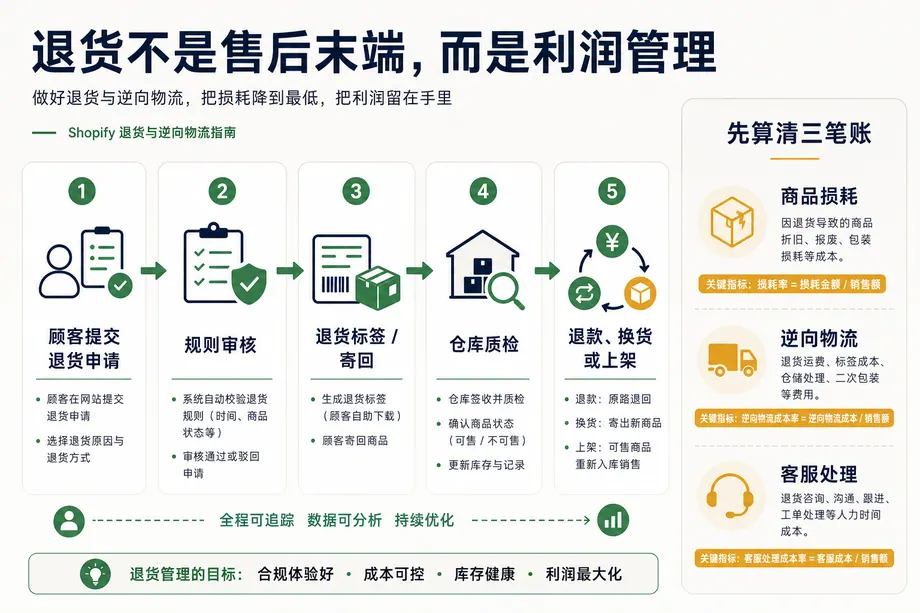
Next, you need to decide on your return and customer support policy. Customers expect the option to return items, but this becomes a major challenge if you don't have a warehouse or aren't ready to resell the items.
Check with your dropshipping supplier to see if they accept returns and will replenish their stock for resale. Once you've decided on a policy, post it on your website.
Using tools like Shopify Inbox allows you to manage customer inquiries and questions. Set expected response times; aim to provide an initial response within 24 hours of the inquiry, if possible.
Don't succumb to the temptation to sell a wide range of products. The more a dropshipping store specializes in a specific niche, the higher its chances of success.
Choose one product and focus on it. Conduct research to identify your target market and find a lucrative niche. Then, understand how customers use the product and what motivates them to buy it. Experiment with various marketing channels (e.g., SEO and email marketing) to attract customers.
Next, you choose an e-commerce platform like Shopify, build your website, determine your profit margin, and set prices. Once you receive an order, you send the order information to your suppliers and ask them to print, pack, and ship it.
The best dropshipping companies build their brands around private label products.
Let's start selling our private brand products without inventory right away!
Private label dropshipping is an e-commerce business model that combines the advantages of private label sales and dropshipping. From clothing to phone cases, find reliable suppliers, verify the specifications of the products you love, and start selling them.
FAQ regarding dropshipping of private label brands
Why choose private label dropshipping over regular dropshipping?
Branded products enhance the perceived value of the product and build brand recognition. As a result, they can achieve high return rates and sales.
Where can I find private label dropshipping suppliers?
Find private label suppliers for your dropshipping business on platforms like Alibaba, Trendsi, and Apriiq. When considering suppliers on your shortlist, be sure to check their shipping timescale, minimum order quantity, and customer reviews.
How do I create a logo for my private label brand?
You can use Shopify's free logo maker, or design your own logo using a free tool like Canva.
Share this article
- Share on Facebook
- Share on X
- Share on LinkedIn