跨境独立站开店
What is a return policy? How to create a return policy that leads to increased sales, and points to keep in mind.
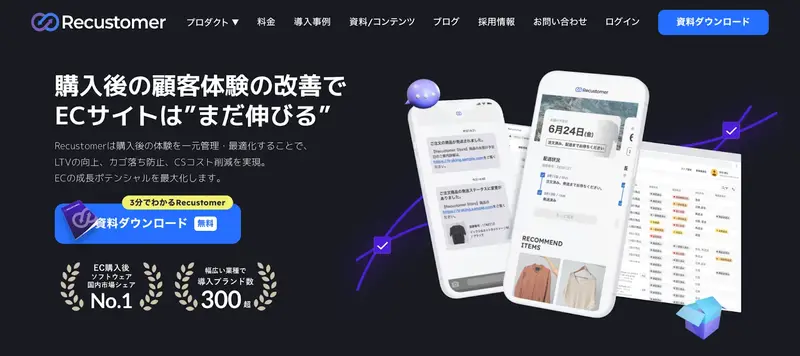
In fact, a survey by Recustomer revealed that 92.2% of consumers who use e-commerce sites at least once a month check the return policy before making a purchase, and 92.6% said they have decided against a purchase after reviewing the policy.











The meaning and role of the return policy
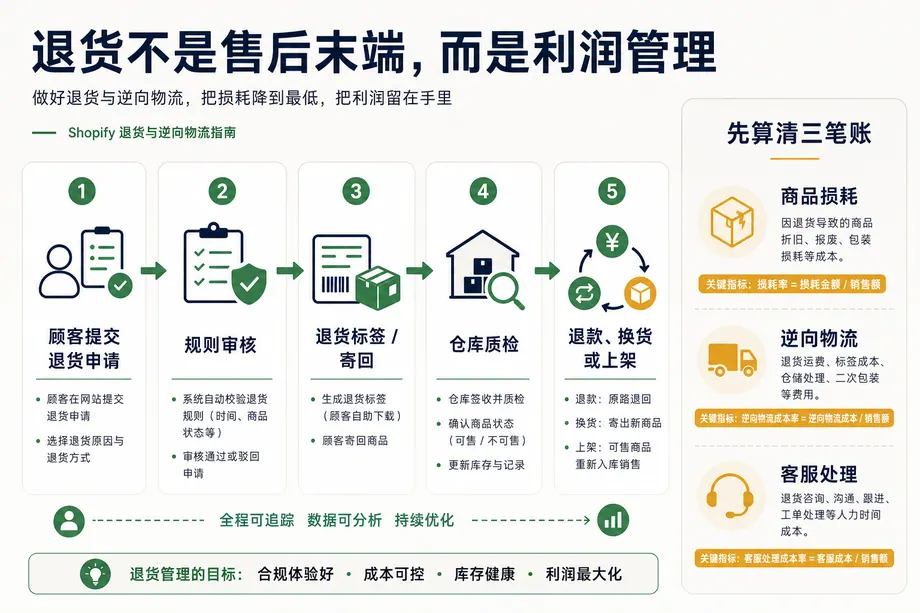
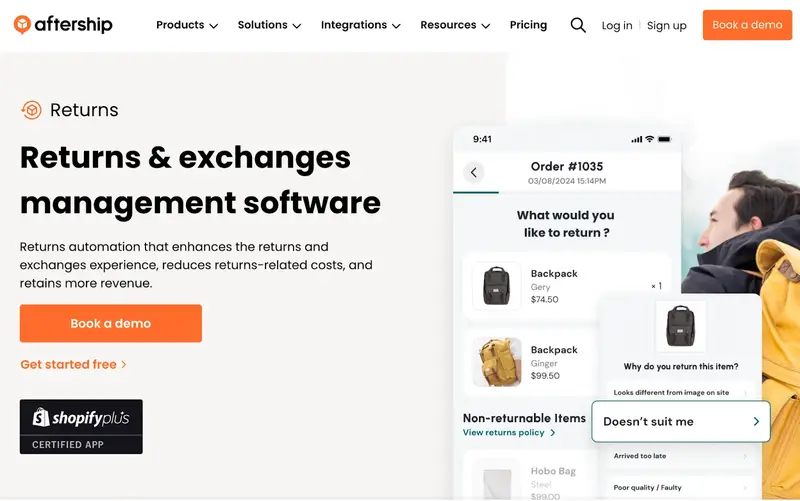
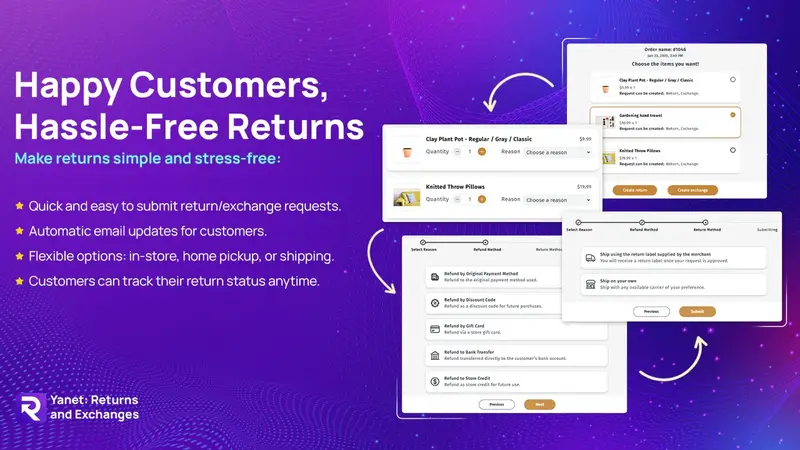
A return policy is a company's set of rules and guidelines that define the conditions and procedures for customers to return goods or services. The return policy clearly specifies which products are eligible for return and for what reasons, the return period and method, who is responsible for return shipping costs, and the condition requirements for returned items.
Customers can purchase with confidence.
Since customers cannot directly inspect products on e-commerce sites, uncertainty is the biggest obstacle. A clear return policy provides reassurance to buyers and increases their willingness to purchase, as they know how they will be handled if the product does not meet their expectations.
This protects the interests of both the buyer and the e-commerce site.
The cooling-off period does not apply to purchases made on e-commerce sites. Under the Specified Commercial Transactions Act, returns are only permitted within eight days if there is no specific mention of returns. However, many buyers do not fully understand this system. Therefore, clearly defining a return policy provides peace of mind to buyers, avoids unnecessary trouble, and protects the business's own interests.
A customer-centric return policy leads to increased sales.
A return policy that benefits the buyer directly leads to increased sales. If consumer anxieties such as "What if the size doesn't fit?" or "I can't buy it because I can't try it on" are alleviated, it will directly lead to improved cart abandonment rates and the acquisition of new customers.