Multi-currency payments: Benefits and implementation methods for e-commerce stores
In cross-border e-commerce, overseas customers may feel anxious or inconvenienced if they cannot check prices and make payments in their own currency, making them less likely to purchase. Therefore, implementing multi-currency payment systems is crucial. On the other hand, businesses that implement multi-currency payment systems face challenges such as costs, technical issues, operational burden, and exchange rate fluctuation risks.
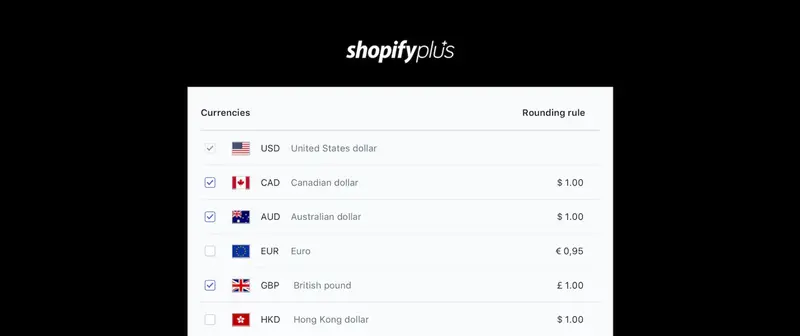
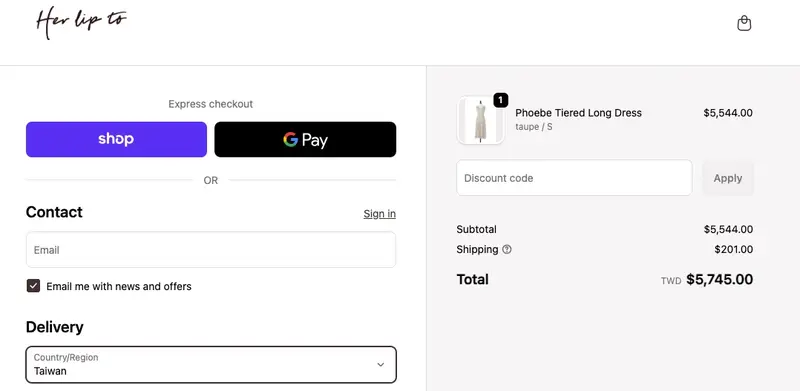
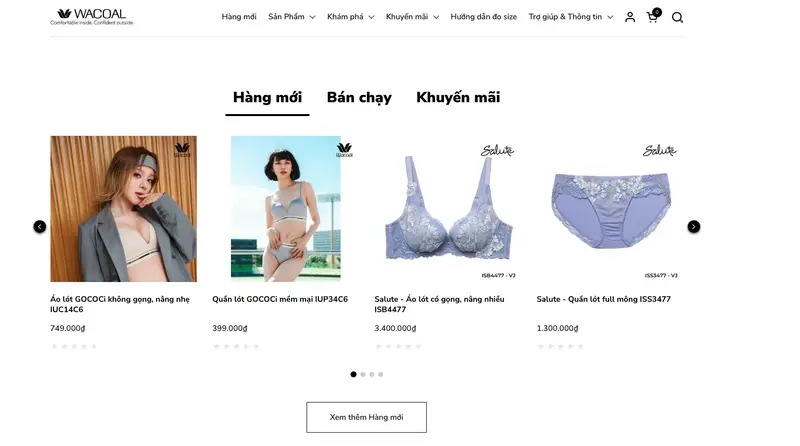
Multi-currency payment is a system that allows e-commerce stores to display prices and accept payments in multiple currencies. By implementing multi-currency payment, product prices are displayed in the customer's local currency, and customers can pay in that currency.
1. Improving customer satisfaction among overseas customers
By introducing multi-currency payment and displaying prices in the local currency that overseas customers are familiar with, customers do not need to convert currencies themselves or worry about exchange rate fluctuations, which is expected to improve customer satisfaction.
2. Improving the conversion rate
Displaying prices in local currency, as well as providing a payment environment suitable for the market through multi-currency payments, can lead to improved conversion rates. In a survey of consumers in the United States and the United Kingdom, 49% of respondents said they would abandon a purchase if their preferred payment method was not available.
3. Market-specific price optimization
E-commerce sites that support multiple currencies allow you to set prices according to the economic conditions, competitive environment, and purchasing power of each market. This enables you to maximize profits while maintaining competitiveness in each market.
It depends on your target market for your independent website: which countries and regions, and what payment tools are commonly used there. For a Shopify independent website targeting an English-speaking market, what specific payment tools are used? 1) PayPal: PayPal is an e-wallet, similar to Alipay in China. PayPal is a mainstream payment tool in English-speaking countries. 2) Stripe is a popular credit card payment tool, though its brand recognition seems to be lower than PayPal.
To use PayPal as a payment method for your Shopify website, you must have a business account. Before registering, prepare the following: email address; business license (photo) of your company or sole proprietorship in mainland China; front and back of the legal representative's ID card; proof of address, such as a photo of the front and back of the legal representative's ID card or proof of office address. Here's how: How do I link my PayPal business account to my Shopify admin panel to receive payments?
Mainland sellers typically register Stripe accounts in Hong Kong or the United States. Since the application process for Stripe is generally the same across countries, I'll first briefly compare Hong Kong and US Stripe accounts, then focus on the registration process for a Hong Kong company account, and finally discuss some important points to note when using Stripe. Hong Kong Personal Stripe Account Registration Process (HK ID Required), Hong Kong Company
This article shares information about Payoneer, including what it is, how it receives sales payments from popular cross-border e-commerce platforms like Amazon and Lazada, its target audience for affiliate marketing platforms, common registration questions, and the registration process for personal and company accounts.
 跨境独立站开店