跨境独立站开店
What are long-tail keywords? How to research and select them, and examples of keywords.
This article explains the meaning and methods of researching long-tail keywords. We'll cover effective SEO strategies by providing concrete examples of search tools and keyword selection.




What are long-tail keywords?
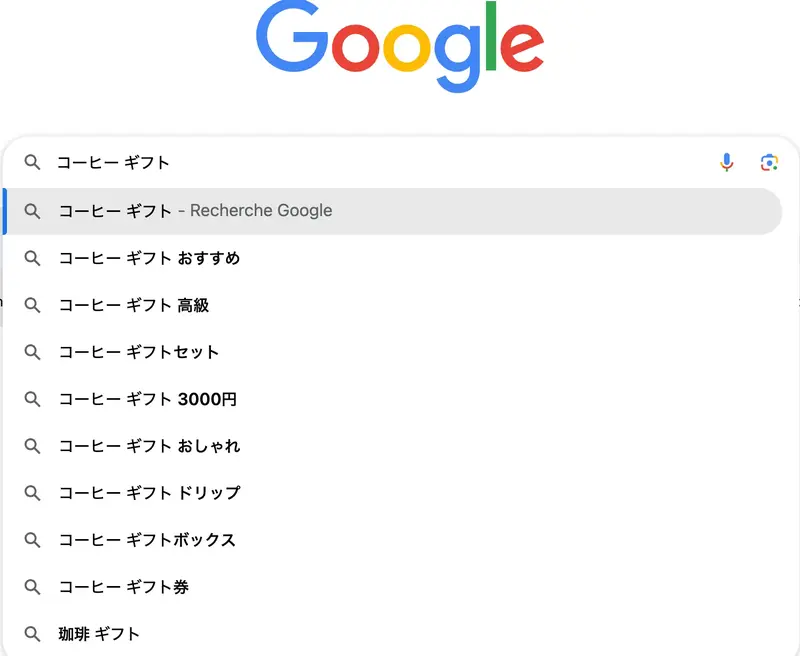
Long-tail keywords are keywords composed of multiple words with relatively low search volume. Generally, they consist of around 3-4 words that specifically describe the user's search intent. Because the search needs are limited, there is less competition, making it easier to aim for high search rankings. Although there is no clear definition based on monthly search volume, a guideline is that it is around 1,000 or less. They are sometimes called "small keywords."
Examples of long-tail keywords
Long-tail keywords are constructed around a main keyword. The table below shows some of the long-tail keywords created when the main keyword is "makeup." These keywords and their search volumes were obtained from Google Keyword Planner.
With less competition, you can aim for a higher search ranking.
Long-tail keywords have less competition compared to big and medium keywords, making them easier to rank highly in search results. Even with high-quality content, targeting highly competitive keywords can be time-consuming and laborious in achieving top search rankings. However, by utilizing less competitive long-tail keywords, you can efficiently aim for higher search rankings.
High conversion rate
Content using long-tail keywords tends to have a higher conversion rate. The main reasons for this are as follows: