跨境独立站开店
What is a supplier? An explanation of their role in e-commerce logistics, how to find them, and how to choose the right supplier.
This article explains the differences between suppliers and manufacturers in logistics, and outlines the role of suppliers in e-commerce businesses. It also introduces methods for selecting and finding suppliers.




What is a supplier?
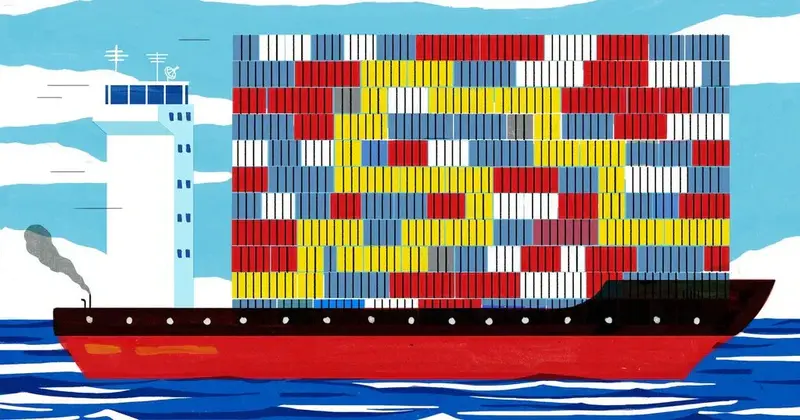
A supplier is a company that provides goods or raw materials to e-commerce businesses (online shops). This includes manufacturers and wholesalers, and businesses that operate e-commerce sites purchase goods from suppliers and sell them.
The difference between a supplier and a manufacturer
Supplier: A general term for companies that purchase and supply goods from manufacturers or wholesalers. Manufacturers themselves can also act as suppliers. (Examples: parts manufacturers supplying automobile manufacturers, wholesalers supplying e-commerce businesses)
The difference between a supplier and a vendor
Supplier: A general term for companies that supply goods or parts. This includes manufacturers and wholesalers. (Example: Companies that supply automotive parts to manufacturers)
Advantages and disadvantages of using a supplier
Using suppliers significantly reduces the effort required for procurement, inventory management, and logistics management. While it may seem unnecessary to use intermediaries since direct procurement from manufacturers is also an option, this is a particularly significant advantage for e-commerce businesses, many of which are small-scale operations.