跨境独立站开店
How to Start a Wholesale Business: Explained in Steps
This article explains the 10 steps to successfully launching a wholesale business, along with key points regarding contracts, logistics, and expanding sales channels.



What is a wholesaler?
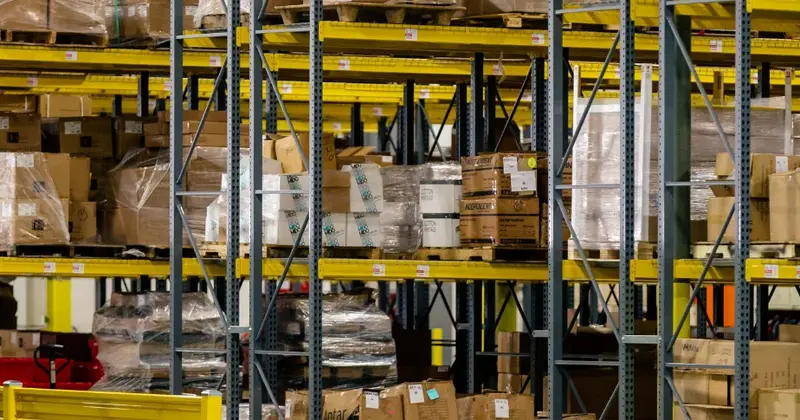
A wholesaler is a business that handles the intermediate distribution of goods, purchasing them from manufacturers and producers and selling them to retailers and corporations. There are various forms of wholesalers, including "primary wholesalers" that distribute goods from specific manufacturers, "secondary wholesalers" (also known as distributors) that purchase goods from multiple wholesalers and manufacturers, and "specialized wholesalers" that focus on specific industries or product categories. Instead of selling directly to consumers, wholesalers manage inventory, arrange logistics, and adjust prices until goods reach store shelves, supporting the efficient distribution of goods to the market.
Why are wholesalers necessary?
Wholesalers are essential for streamlining B2B (business-to-business) distribution and ensuring stable supply and prices. When manufacturers and retailers handle all transactions directly, contracts and logistics become fragmented, leading to increased time, costs, and workload, making efficient distribution difficult.
1. Determining the products to be handled and the business area.
The success or failure of a wholesale business largely depends on the selection of goods and business areas. In particular, it is crucial that the products are "products that retailers want to sell to consumers." Analyze whether the products can blend into the existing product lineup and add new appeal to the sales floor. It is also essential to clearly define the uniqueness of the product, such as special manufacturing methods or raw materials, as selling points.
2. Research and analysis of the target market
When developing a business plan, it's crucial to clearly define your target market. The business model and terms of trade will vary depending on whether your customers are large retailers like department stores or smaller, specialized apparel shops. Through market research and competitor analysis, you can determine which retailers your products are best suited for and how much room there is for market entry.