跨境独立站开店
What is Fulfillment Status? Its Meaning and Importance in E-commerce
This article explains the meaning of fulfillment status and its importance in e-commerce. Understand how sharing fulfillment status impacts order management and customer service to help ensure smooth sales operations.
This article explains the meaning of fulfillment status and its importance in e-commerce.
E-commerce sites involve various fulfillment tasks, including order processing, picking, packing, and shipping. If it's unclear what stage an order is in, it becomes difficult for companies to manage order status, and they cannot promptly respond to customer inquiries such as "When will it arrive?". In such cases, "fulfillment status" is useful for properly managing the progress of order processing and communicating it clearly to customers.
This article provides a clear explanation of the meaning and types of fulfillment statuses, as well as the order-to-shipment process. Understanding the impact of sharing fulfillment status will help you manage your sales operations smoothly.
What is Fulfillment Status?
Fulfillment status refers to the progress of a product order from processing to delivery. Because it allows businesses to track processing status in real time, it helps them efficiently manage distribution and orders, providing a smooth customer experience from purchase to delivery.
Difference between Fulfillment Status and Order Status
Both fulfillment status and order status are pieces of information used in order management, but order status refers to the overall progress of the order, while fulfillment status primarily refers to the processing status during delivery.
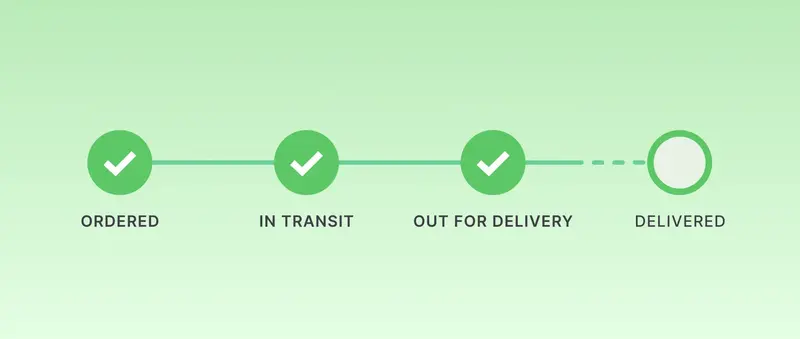
Customers can check the order status to understand how far along their order is in the processing process, from order placement to delivery completion. Typical order statuses are as follows:
- Pending: The customer has completed the order, but it has not yet been confirmed.
- Processing: Your order is being prepared for shipment.
- Shipped: The ordered item has been shipped from the warehouse and is in transit to the customer's specified address.
- Delivered: The ordered items have arrived at the delivery address.
- Cancellation: An order has been canceled by the customer or business.
- Return: The customer has initiated the process of returning an ordered item.
Types of Fulfillment Status
The following are some typical fulfillment statuses and their meanings:
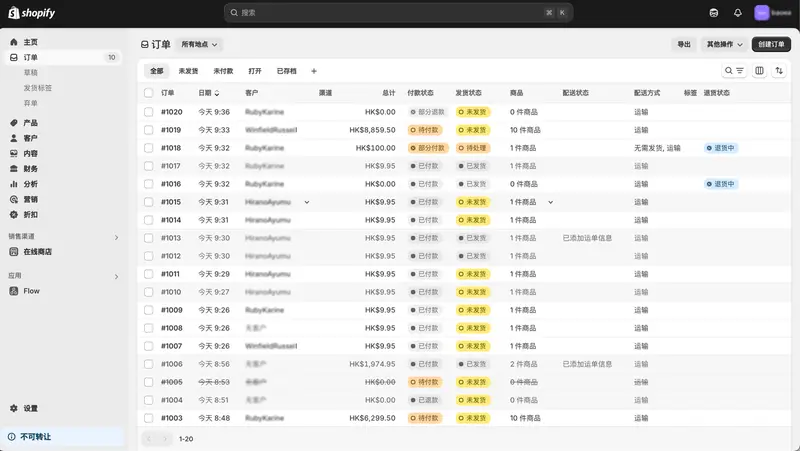
- Not shipped: The customer has placed an order, but the order has not yet been processed or shipped.
- Scheduled: This indicates that an order is scheduled to be processed and shipped at a specific date and time. It is primarily used for pre-orders and items awaiting stock availability.
- Pending: This means the order is pending payment completion or temporarily on hold due to inventory issues or other reasons.
- Awaiting Shipment: All ordered items have been processed and packaged and are awaiting shipment.
- Partially shipped: Some items have been shipped, but the remaining items are still pending shipment.
- Shipped: All ordered items have been shipped.
- Completed: The ordered items have been shipped and the order processing is complete.
Why Fulfillment Status is Important
- Maintaining good relationships with customers: By providing real-time updates on order progress, customers can confirm that their orders are progressing smoothly and wait for their products with peace of mind. This sense of security leads to trust in the brand and encourages repeat purchases.
- Improving the customer experience: Notifying customers that their order has been shipped, along with a tracking number, allows them to prepare for delivery by adjusting their availability or arranging for contactless delivery. A smooth delivery process also contributes to a more pleasant shopping experience.
- Reducing customer support inquiries: If customers can check the status of their orders themselves, inquiries such as "When will it be shipped?" can be reduced. This not only reduces the burden on customer support staff but also reduces customer stress because they can check the status immediately without having to wait for an inquiry.
Order fulfillment process
- Order Acceptance
- Order Processing
- Picking and packing
- Returns, exchanges
Understanding the order fulfillment process leads to optimized workflows, cost reductions, and improved operational efficiency. While fulfillment procedures vary from company to company, the general flow and status at each stage are as follows:
1. Order acceptance
Once an order is received from a customer, the fulfillment process begins. At this stage, necessary information for the order, such as the shipping address, payment information, and product specifications, is collected. The Order Management System (OMS), which centrally manages the order process, checks the order details and inventory status, and if there are no problems, it starts the next fulfillment process. At this point, the fulfillment status is "pending".
2. Order Processing
Order processing involves preparing the necessary items for shipping customer orders. First, we check the payment status with credit card companies and banks to ensure there are no payment issues. Then, we update inventory levels according to the order details and create necessary shipping documents such as delivery slips and shipping labels.
Furthermore, informing customers of the expected shipping date at this stage allows them to have a clearer picture of the delivery process, which helps build trust. At this point, the fulfillment status is "processing" for both the company and the customer.
3. Picking and Packing
In picking and packing, ordered items are retrieved from inventory at the fulfillment center or logistics warehouse and prepared for shipment. Once the work is complete, the order status changes to "awaiting shipment," and the items are ready to be sent to the customer.
4. Shipping
Next, the packaged goods are shipped to the customer using methods such as ground transport, air freight, or express delivery. The choice of shipping carrier and method affects delivery speed, cost, and service reliability, and ultimately impacts customer satisfaction. To meet the diverse needs of customers, it is advisable to offer multiple shipping options, such as same-day delivery, next-day delivery, and standard delivery. It is also important to set shipping fees in consideration of the price levels of other companies.
Both the fulfillment status on the company's side and the order status on the customer's side will show as "shipped."
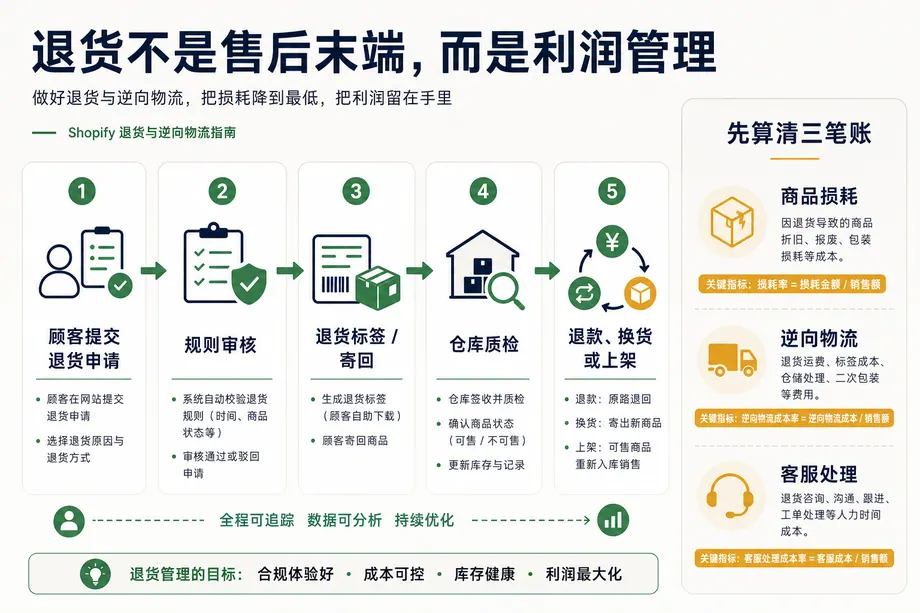
5. Returns and exchanges
Since customers are not always satisfied with their purchases, it's essential to have a system in place to handle returns and exchanges. The return and exchange process, which is part of reverse logistics, involves managing the return and receipt of products from customers.
Customer service representatives will be prepared to handle refunds, product exchanges, and other requests. For returns, we may offer a partial refund of the order amount or award points that can be used for future purchases. When a return is initiated, the order status changes from "Completed" to "Returned," and then back to "Completed" once the return process is finished.
Fulfillment outsourcing
You can also outsource the entire order fulfillment process to a 3PL (Third-Party Logistics) provider or other business partners.
Outsourcing fulfillment operations can reduce the workload associated with e-commerce logistics, including product storage, order processing, packaging, and shipping. Furthermore, automating order processing through services like 3PL (Third-Party Logistics) can significantly reduce the burden, allowing businesses to focus more on activities that contribute to growth, such as new product planning, marketing, and market research.
By utilizing fulfillment status, you can not only manage the status of orders and deliveries, but also communicate the delivery status to customers at the right time, which reduces anxiety and inquiries and improves the post-purchase customer experience.
Furthermore, it can reduce the burden on customer support staff, and by utilizing services such as 3PL (Third-Party Logistics), it becomes possible to allocate resources to tasks that should be the focus of attention.
Properly managing fulfillment status enhances customer confidence and brand trust, leading to repeat purchases and increased sales.
Frequently Asked Questions about Fulfillment Status
What does "Not Shipped" mean in fulfillment status?
In fulfillment status, "Not Shipped" means that the customer's order has been received, but the order has not yet been processed or shipped.
What are the benefits of displaying the fulfillment status?
Displaying fulfillment status and order status makes the order processing status visible, making it easier to communicate the progress of orders to customers, and also allows companies to efficiently manage the entire processing and shipping process.
How can I outsource my fulfillment operations?
If you outsource your fulfillment operations, you will partner with a 3PL (Third-Party Logistics) provider that specializes in product storage, order processing, and shipping.
Share this article
- Share on Facebook
- Share on X
- Share on LinkedIn