跨境独立站开店
What is direct shipping from retailers? Methods and tips
In retail, direct shipping refers to a system where retailers and brands deliver products directly to customers. With the expansion of the e-commerce market, delivery has become more than just a logistics operation; it's a crucial element that influences the customer experience. Customer demands for services such as same-day delivery, free shipping, and delivery status tracking are diversifying, and providing appropriate delivery options leads to increased customer satisfaction and sales.


This article provides an overview of direct retail shipping, including key delivery options and important points for delivery strategies.
In retail, direct shipping refers to a system where retailers and brands deliver products directly to customers. With the expansion of the e-commerce market, delivery has become more than just a logistics operation; it's a crucial element that influences the customer experience. Customer demands for services such as same-day delivery, free shipping, and delivery status tracking are diversifying, and providing appropriate delivery options leads to increased customer satisfaction and sales.
This article provides a detailed explanation of direct shipping in retail, including its main delivery options, key points of delivery strategies, and how to choose the best delivery method for your company.
What is direct shipping from retailers?
Direct shipping from retailers is a system where retailers and brands deliver products directly to customers.
With the proliferation of e-commerce sites and online marketplaces, not just physical stores, customers are increasingly receiving products at home. Therefore, delivery is no longer just about handing over goods; it has become a crucial factor influencing customer satisfaction and brand image.
By offering a variety of delivery options, such as fast delivery, free shipping, and tracking, you can improve the customer experience and increase sales.
Main shipping options offered by e-commerce businesses
- Speedy delivery leads to increased customer satisfaction.
- Affordable shipping options lead to increased purchase rates and average order value.
- Delivery tracking services contribute to customer peace of mind.
Delivery speed is a crucial factor influencing the customer experience in e-commerce. In recent years, customer needs have diversified, and more people want to receive their products as quickly as possible. Prompt delivery not only improves customer satisfaction but also leads to increased repeat purchases and brand loyalty.
On the other hand, achieving speedy delivery requires a well-established e-commerce logistics system. This involves numerous operational costs, such as the placement of distribution centers, inventory management, and coordination with delivery companies. Therefore, if building your own logistics network is difficult, utilizing a 3PL (Third-Party Logistics) service is a viable option.
By using a 3PL (Third-Party Logistics) service, you can outsource everything from product storage and picking to packaging and shipping. Furthermore, by linking your e-commerce platform with inventory information, you can streamline order processing and achieve faster delivery.
Same-day delivery is a delivery service that delivers ordered items on the same day.
In urban areas in particular, there is a growing demand for same-day delivery, and this service is increasingly being adopted for food, daily necessities, and gift items. However, achieving same-day delivery requires limiting the delivery area and optimizing logistics centers. If it is difficult to handle this solely with your own warehouse, utilizing delivery outsourcing or 3PL services can enable more efficient delivery.
Next-day delivery is a delivery method where products are delivered on the next business day or the day after the order is placed. Many delivery companies offer this service, and it is widely used as a delivery option that balances speed and cost.
As customer expectations for delivery speed increase, introducing next-day delivery can be expected to improve customer satisfaction and expand sales opportunities.
Scheduled delivery is a delivery service that allows customers to receive their goods at their preferred date and time. It makes it easier for people who are often away during the day to receive their packages and helps reduce the need for redeliveries. In Japan, in particular, there is a strong emphasis on scheduled delivery, and it has become a widely used and convenient delivery option.
Express delivery is a shipping method that delivers products in a shorter number of days than standard delivery.
While service details vary depending on the delivery company, express delivery is often used for urgent orders or gift requests. In the increasingly competitive e-commerce market, delivery speed is a crucial differentiating factor. However, express delivery can be costly, so consider its implementation after taking into account product prices and profit margins.
Shipping costs are one of the factors that significantly influence a buyer's decision-making process.
Especially on e-commerce sites, unexpected shipping costs often lead customers to abandon their purchases. Therefore, offering clear shipping options such as free shipping or a fixed shipping fee can improve conversion rates and reduce cart abandonment rates.
Furthermore, improving delivery strategies can lead to an increase in the average order value per customer. Design attractive delivery methods for customers while considering your company's profit margins and delivery costs.
Free shipping is one of the most attractive shipping options for buyers. Eliminating the burden of shipping costs lowers the barrier to purchase, which can lead to improved conversion rates and reduced cart abandonment.
On the other hand, the cost of free shipping must be borne by the business. Therefore, it is important to combine it with the following measures:
- Product price includes shipping costs.
- Promote upselling and cross-selling
- Offered exclusively to loyalty program members.
- This will be implemented as a limited-time campaign.
However, since shipping costs for heavy or large items are high, operations must be managed with profit margins in mind.
A fixed-rate shipping fee is a method of setting a flat shipping fee regardless of the weight of the product or the delivery destination. The advantage is that it makes shipping costs easy for customers to understand and reduces anxiety when making a purchase.
For example, setting shipping fees as a flat rate of 500 yen nationwide or 800 yen nationwide allows you to create a simple and easy-to-understand pricing system. This shipping method is particularly well-suited for businesses that handle small items or items of a uniform size.
However, be aware that significant cost differences depending on the delivery area and product size could negatively impact profits.
Offering free shipping on orders above a certain amount is an effective way to increase the average customer spend. For example, setting a condition such as "free shipping on orders over 5,000 yen" makes it easier to encourage customers to make additional purchases (impulse buys) to meet the condition.
Furthermore, this method makes it easier for businesses to control shipping costs and maintain profit margins while taking advantage of the benefits of free shipping. When setting the minimum order amount for free shipping, consider the average order amount and profit margin to determine conditions that are suitable for your company.
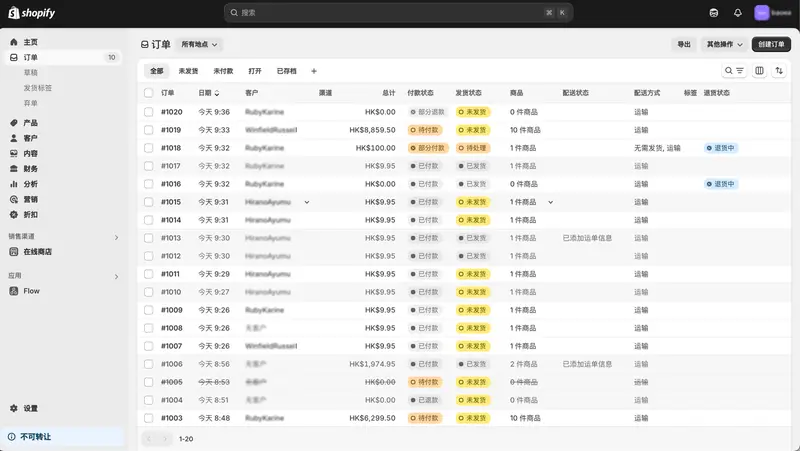
While delivery speed is important, customers also want the peace of mind of knowing "when will it arrive?" By providing a tracking service that allows them to check the estimated arrival date and current delivery status, customers can wait for their products to arrive with confidence.
Especially in e-commerce, reducing post-order anxiety directly leads to increased customer satisfaction. Being able to check the delivery status in real time will also help reduce inquiries such as "I don't know when my product will arrive."
Furthermore, providing timely notifications such as shipping completion confirmations, estimated delivery dates, and communication regarding delivery delays helps build trust with customers. Improving the delivery experience is a crucial factor that contributes to repeat purchases and increased brand loyalty.
Examples of delivery tracking services include the following:
- Tracking function allows you to check the delivery status in real time.
- Notification service to inform you when your order has been shipped or when it is scheduled to be delivered.
- A feature that allows customers to flexibly change the date and time of their appointment.
- Diversification of delivery locations to accommodate delivery lockers and unattended delivery.
Shipping methods that support the growth of e-commerce businesses
To achieve growth in e-commerce businesses, building a delivery system that delivers products quickly and efficiently is essential. Delivery methods have a significant impact not only on customer satisfaction and repeat purchase rates, but also on logistics costs and operational efficiency.
In recent years, diverse delivery methods have emerged, including collaboration with delivery companies, the introduction of 3PL (Third-Party Logistics), and systems that utilize stores as delivery hubs. By selecting a delivery method that suits your company's product characteristics and customer needs, you can strengthen your competitiveness and expand your business.
Best practices for effective delivery
- Outsource fulfillment operations to logistics partners.
- Automate inventory management
- To make returns and exchanges smoother.
- Prepare for peak seasons and seasonal events
As e-commerce businesses expand, the burden of fulfillment operations such as product storage, picking, packaging, and shipping increases. Handling these operations in-house not only increases labor and warehousing costs, but also raises the risk of delivery delays and inventory management errors during peak seasons. Outsourcing to logistics partners such as 3PLs is an effective solution to these challenges.
By utilizing logistics partners, you can streamline the entire process from product storage to shipping, and you can also expect improvements in delivery quality and shorter lead times.
Furthermore, this allows your company to focus on core operations such as product development and marketing. However, since the delivery areas, pricing structures, and system integration capabilities vary depending on the outsourcing partner, it is important to select a partner that suits your company's business scale and customer needs.
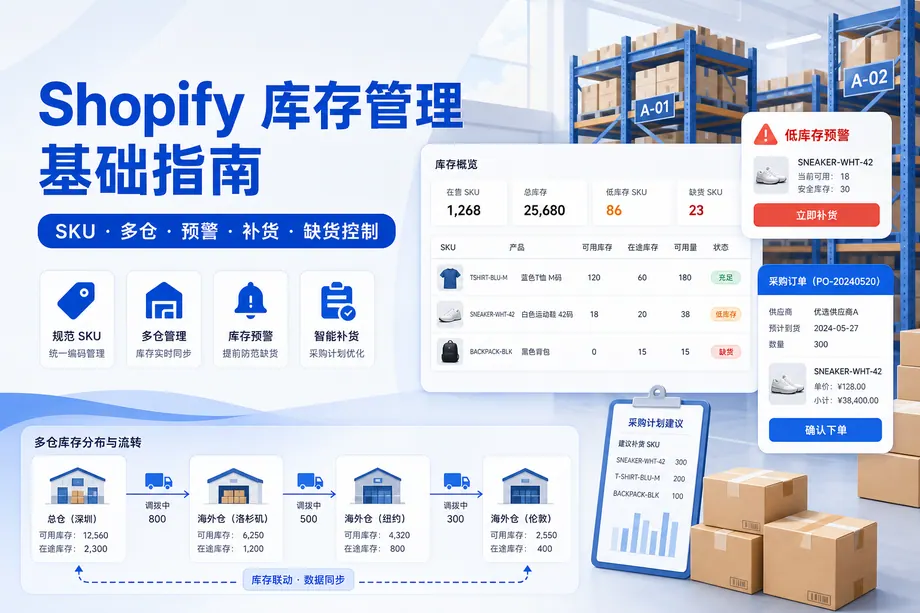
Inventory management is an essential task in running an e-commerce business. However, managing inventory manually can easily lead to stockouts, excess inventory, and data entry errors, potentially resulting in decreased customer satisfaction and lost opportunities. This is where automating inventory management becomes effective.
By implementing an inventory management system and integrating it with e-commerce sites and logistics systems, inventory levels can be updated in real time in response to orders and shipments. This allows for accurate inventory status even when operating multiple sales channels.
Furthermore, by utilizing demand forecasting and inventory alert functions, the risk of stockouts and excess inventory can be reduced. Automating inventory management will improve operational efficiency and lead to the establishment of a more stable delivery system.
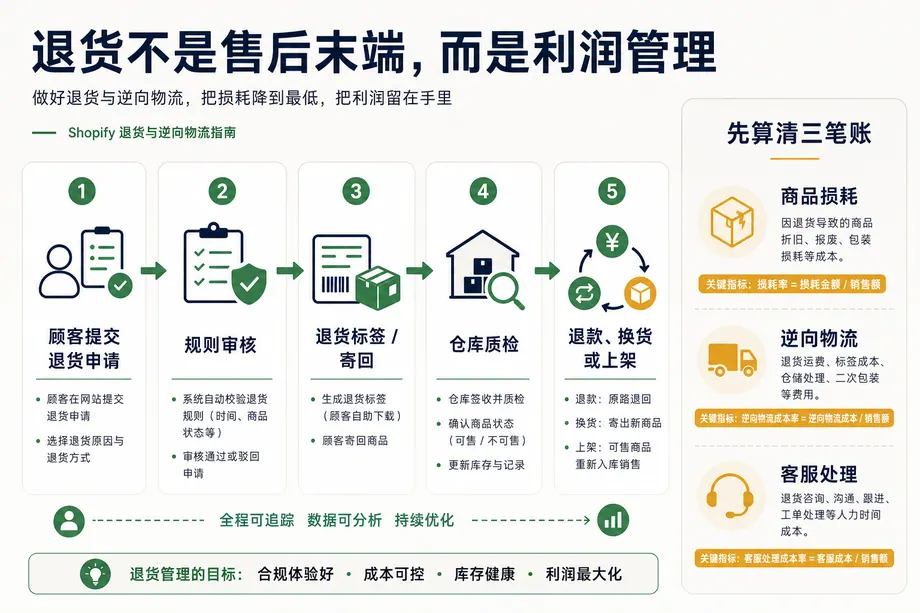
The way customers handle returns and exchanges is a crucial factor that affects customer satisfaction and trust in the brand.
If the return process is complicated or time-consuming, it can lead to a poor customer experience. On the other hand, providing a clear and prompt response can encourage repeat purchases and build long-term customer relationships. To ensure smooth returns and exchanges, it is important to clearly present the return policy and provide easy-to-understand instructions on how to apply and the conditions for doing so.
Furthermore, implementing features such as return label issuance and return tracking can reduce the burden on both customers and businesses. Analyzing return data can also be used to improve product quality and revise product descriptions. Instead of viewing returns and exchanges simply as costs, let's use them as opportunities to enhance the customer experience.
In e-commerce businesses, the number of orders can increase significantly during the year-end and New Year holidays, sales periods, and seasonal events such as Mother's Day and Christmas.
If you are not adequately prepared for a surge in demand, you may experience delivery delays, stock shortages, and an increase in customer inquiries, which could lead to a decline in customer satisfaction. Therefore, it is crucial to secure inventory, allocate staffing levels, and strengthen collaboration with logistics partners in anticipation of peak seasons.
Furthermore, by analyzing past sales data and forecasting demand, it is possible to establish appropriate inventory plans and delivery systems. In addition, if there is a possibility of delivery delays, informing customers in advance will minimize dissatisfaction. Planned operations in preparation for peak seasons and seasonal events are essential for maintaining stable delivery quality and improving customer satisfaction.
How to choose the right delivery option for your company
Shipping options are a crucial factor that significantly impacts customer satisfaction, conversion rates, and logistics costs. However, simply offering many options isn't always the best approach. Too many choices can confuse customers and potentially lead them to abandon their purchase. Therefore, it's essential to provide appropriate shipping options that align with your company's customer needs and business strategy.
When considering shipping options, keep the following three points in mind:
- Understanding Customer Expectations: The delivery speed and receiving methods that customers desire vary depending on the product category and target audience. For example, while fast delivery is required for everyday necessities, delivery quality and scheduled delivery dates may be more important for higher-priced items.
- By studying the delivery strategies of competitors, you can better identify your own points of differentiation. However, it's important to consider a delivery strategy that leverages your company's strengths, rather than simply adopting the same measures as your competitors.
- The optimal delivery option will vary depending on whether you prioritize optimizing delivery costs or improving the customer experience, and whether you have clear delivery goals. Designing a delivery strategy that aligns with your business objectives will strengthen your competitiveness.
Direct shipping in retail is a system for efficiently and quickly delivering products to customers and is one of the core elements supporting the growth of e-commerce businesses. Delivery speed, shipping costs, and tracking services—the delivery experience—significantly impact customer satisfaction, purchase rates, and repeat purchase rates. Therefore, it is important to select the appropriate delivery option based on your company's product characteristics, customer needs, and logistics costs.
Furthermore, by utilizing 3PL services, automating inventory management, and improving return handling, you can achieve both increased efficiency in delivery operations and enhanced customer experience. Build the optimal delivery strategy for your company to strengthen your competitiveness and drive sustainable growth.
Frequently Asked Questions about Direct Shipping for Retailers
What shipping options should an e-commerce site offer?
The shipping options you should offer will vary depending on the product characteristics and target customers. Generally, convenient options such as free shipping, scheduled delivery, and tracking services are commonly used.
What are the advantages of using a 3PL (Third-Party Logistics) service?
By utilizing 3PL (Third-Party Logistics), logistics operations such as product storage, packaging, and shipping can be significantly streamlined. This allows e-commerce businesses to focus more on core activities such as product development and marketing.
How can we streamline delivery operations?
Effective measures include implementing inventory management systems, coordinating with logistics partners, and improving return handling. Optimizing delivery operations can achieve both cost reduction and increased customer satisfaction.
Share this article
- Share on Facebook
- Share on X
- Share on LinkedIn