跨境独立站开店
What is e-commerce fulfillment? Three strategies and how to choose the right one.
Fulfillment (order processing), the process of delivering products to customers, is one of the most complex areas of e-commerce operations. However, performing this process accurately and efficiently leads to improved customer satisfaction, increased operational efficiency, and expanded sales.



This article explains what e-commerce fulfillment is, including its operational processes and strategies.
Fulfillment (order processing), the process of delivering products to customers, is one of the most complex areas of e-commerce operations. However, performing this process accurately and efficiently leads to improved customer satisfaction, increased operational efficiency, and expanded sales.
This article explains the overview of fulfillment in e-commerce, the specific workflow, and effective strategies. Please use it as a reference.
What is fulfillment in e-commerce?
In e-commerce, fulfillment refers to the entire process from receiving an order on an e-commerce site to delivering the product to the customer. This includes everything from order processing and inventory management to product packaging and logistics management for rapid delivery. The goal of e-commerce fulfillment is to deliver products to customers accurately and quickly. For brands, it is also important to build an efficient delivery system and increase customer satisfaction. This entire process is also called "order fulfillment" and is the core process of e-commerce logistics.
E-commerce fulfillment operations
E-commerce fulfillment is a particularly complex area in terms of logistics within the operation of an e-commerce store, and order processing mainly involves the following seven steps:
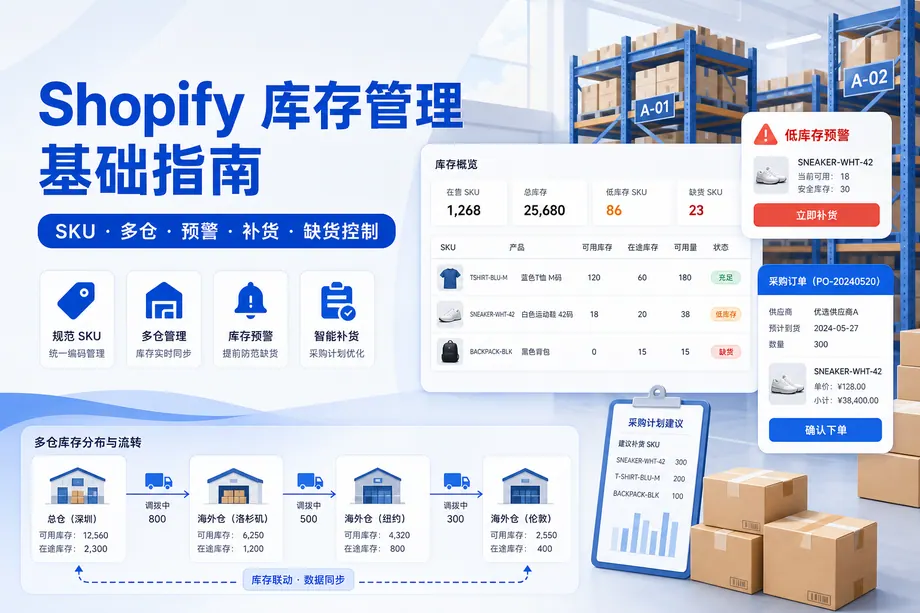
- Inventory Management: The process of procuring and storing raw materials, product components, or finished goods necessary for an e-commerce business. Since many e-commerce companies do not manufacture their own products, inventory management is a crucial fulfillment function. It is essential to have an accurate understanding of the inventory on hand before processing customer orders.
- Warehouse storage: The process of storing products that are ready for sale until shipment. This can be managed in-house or outsourced to a third-party warehouse service.
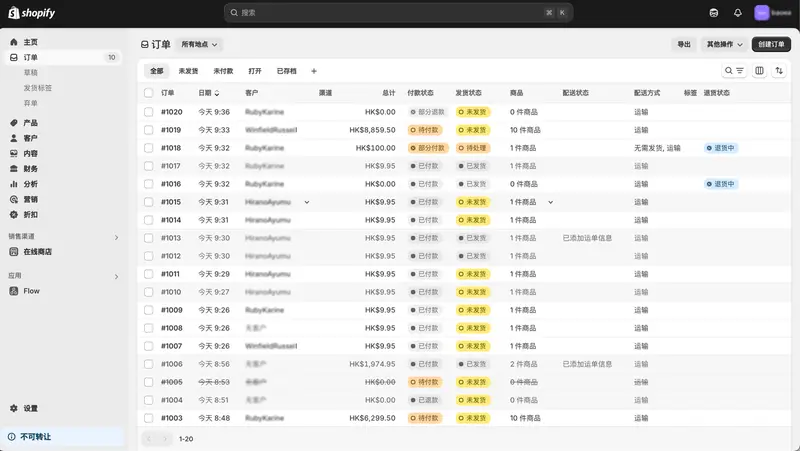
- Order Processing: This process involves checking order information from the e-commerce site, confirming order completion, payment status, and inventory status.
- Picking and Inspection: The process of retrieving the relevant items from the warehouse based on the order details. This involves inspection to check for errors in the type and quantity of items, as well as for damage, soiling, or foreign matter contamination.
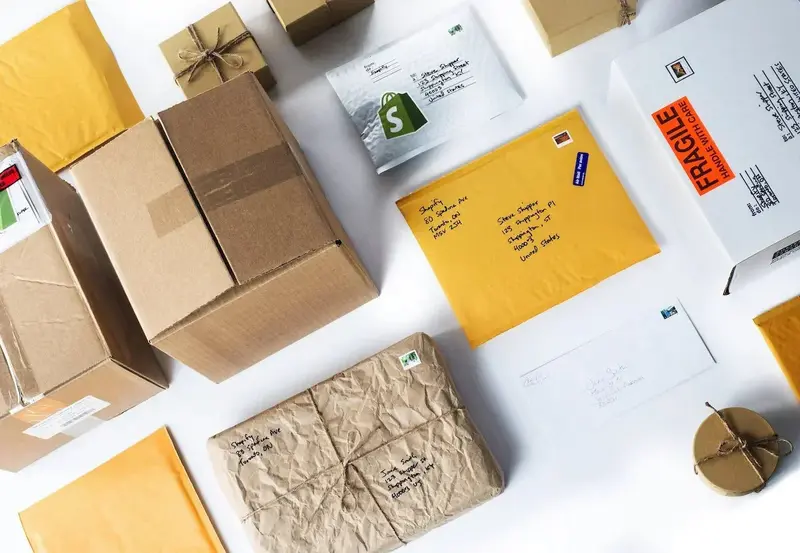
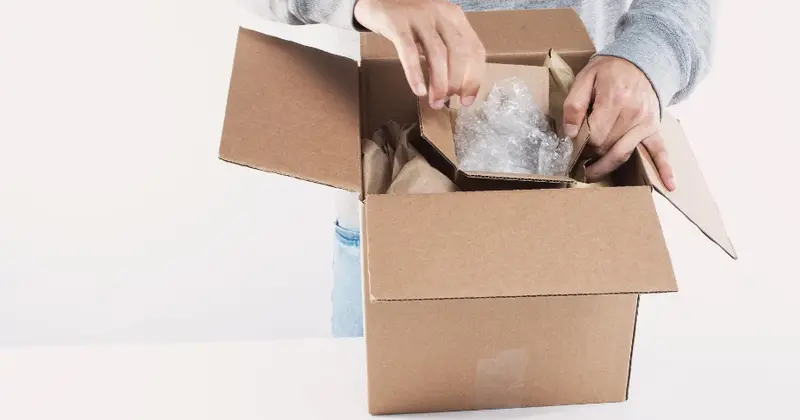
- Packaging: The process of packaging products for shipment. This includes original packaging that enhances brand value, providing an exciting unboxing experience, and using cushioning materials to prevent damage during transport.
- Shipping: The process of delivering goods from the warehouse to the customer. This includes selecting shipping carriers and pricing plans, and implementing shipping procedures. Adhering to customer-specified delivery dates and times is a crucial element in improving customer satisfaction.
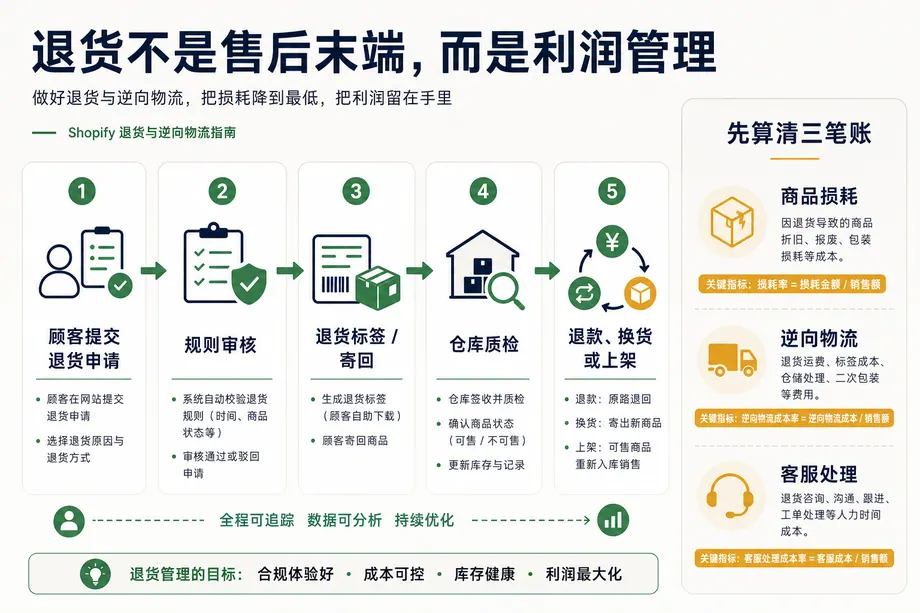
- Returns: This refers to the process of returning a product to a customer who is dissatisfied with it or has a defect. It involves receiving the product, checking its condition, and re-registering it, and may include options such as resale, exchange, or refund.
Fulfillment can be further improved in operational efficiency by integrating it with the order management system.
Three strategies for e-commerce fulfillment
There are three main methods for fulfilling e-commerce businesses. Consider them flexibly based on your company's business model, scale, resources, and other factors.
Internal processing
In-house processing involves handling all aspects of orders, from processing and inspection to packaging and shipping, within the company. For businesses with fewer than 100 orders per month, in-house e-commerce fulfillment is suitable because it keeps implementation costs down and allows for in-house management of packaging and brand experience. However, as the number of orders increases, securing personnel, time, and space becomes a challenge, and shipping costs tend to rise.
dropshipping
Dropshipping is a business model where, when an order is placed on an e-commerce site, the supplier or manufacturer packs the goods and ships them directly to the buyer. Sellers do not need to hold inventory and are not responsible for product management or shipping.
This business model tends to be used by e-commerce businesses that primarily deal in imported or overseas products. For example, by shipping cosmetics directly from a Korean dealer to the customer, processes such as import procedures and inventory management can be eliminated.
The advantages of dropshipping include reduced initial costs and inventory risks, and streamlined processes by entrusting everything to suppliers. Furthermore, since wholesale prices are only paid upon successful orders, the financial burden is reduced.
On the other hand, because shipping and handling processes are entrusted to suppliers, problems with shipping speed or quality could affect customer satisfaction and sales.
Third party logistics (3PL)
Third-party logistics (3PL) is a business model in which a company entrusts a series of fulfillment operations related to shipping, from product storage and order processing to picking, packing, and delivery, to a specialized company. Because it also handles the coordination of ground, air, and sea transportation, it allows for integrated management of the entire supply chain.
3PL (Third-Party Logistics) is particularly popular with rapidly growing brands and startups because it enables efficient inventory management and delivery even when in-house processing systems are not yet established. By entrusting logistics to a company with expertise in logistics, businesses no longer need to handle inventory storage and shipping in-house, leading to increased operational efficiency and reduced operating costs. It also makes it easier to flexibly adapt to business expansion.
On the other hand, outsourcing all aspects of customer service, such as shipping quality and return handling, can make it difficult to address problems when they arise, potentially leading to decreased customer satisfaction and sales.
Key points for determining the optimal fulfillment strategy for your e-commerce business.
- What types of goods will be shipped? Are they large, heavy items, or small, low-cost items?
- Is there enough space to store the products and raw materials?
- Is there a customer service system in place to handle inquiries regarding order status and returns?
- Do you have a contingency budget set aside in case of fulfillment errors?
- How much impact do inventory losses, damage, theft, etc., have on profits?
- Do you offer delivery discounts to your customers?
- Do you handle international shipping?
- Is there a system in place to track the shipping status, and is it accessible to the customer themselves?
- What is the average delivery time, and how quickly can you ship?
Customers expect a smooth and stress-free delivery experience. Therefore, choosing a strategy that meets these expectations will lead to increased business trust and growth.
Fulfillment in e-commerce is a crucial process for ensuring that purchased goods reach customers in perfect condition. Therefore, it is essential to execute each step, from inventory management to shipping and returns, accurately and carefully.
Handling fulfillment in-house allows you to create engaging unboxing experiences tailored to your customers and the season. Furthermore, utilizing dropshipping and 3PL services enables improved operational efficiency and greater flexibility in supporting business expansion.
By choosing a fulfillment method that aligns with your company's business model and brand strategy, you can increase customer satisfaction and drive long-term growth.
Frequently Asked Questions about E-commerce Fulfillment
What is e-commerce fulfillment?
E-commerce fulfillment refers to the business process of ensuring that ordered goods received on an e-commerce site are delivered to the customer reliably and quickly.
What are the criteria for deciding whether to handle fulfillment in-house or to use dropshipping or a 3PL?
The criteria for deciding whether to handle fulfillment in-house or use dropshipping or a 3PL include the number of orders, inventory levels, and resources (personnel and space). For example, if the number of monthly orders is small, in-house processing is possible, but if the scale expands and processing cannot keep up, outsourcing to dropshipping or a 3PL becomes more efficient.
What is the difference between dropshipping and fulfillment?
Dropshipping is a system where suppliers ship directly to customers without holding any inventory. Fulfillment, on the other hand, is a system where goods are stored and shipped only when an order is placed.
Share this article
- Share on Facebook
- Share on X
- Share on LinkedIn