跨境独立站开店
Customer Data Integration | How to Drive Business Growth from Fragmented Data
This presentation will explain strategies and solutions for integrating dispersed customer data to create a 360-degree view and driving growth.
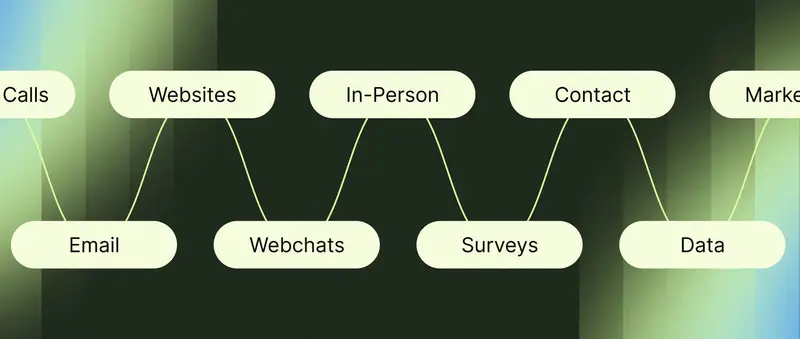
What is Customer Data Integration (CDI)?
Customer Data Integration (CDI) refers to the process of collecting all customer data from various channels and consolidating it in one place.
Five Benefits of a Customer Data Integration Strategy
When customer data is fragmented across different systems, such as POS systems and marketing software, it becomes difficult to track customer behavior across channels or identify the root causes of problems like stockouts. This can lead to inefficient, speculative strategies and lost sales opportunities.
1. Achieve a 360-degree view of the customer.
A unified customer view reveals what customers have purchased in the past, what interests them, and what they might look for next. According to one POS market report, retailers who have implemented unified commerce have increased their sales by up to 8.9% by leveraging clearer customer data.
2. Everyone can perform their duties based on the same information.
When data is scattered, the numbers seen by the marketing department and the numbers seen by the operations department may differ, leading to strategic inconsistencies. A centralized CDI system provides the same facts to all stakeholders and improves customer relationship management (CRM).