跨境独立站开店
Inventory and fulfillment | Christmas Season Delivery Tips
Here are some shipping tips for the Christmas season. Avoid delays and ensure your items arrive in time for Christmas.

Here are some shipping tips for the Christmas season. Avoid delays and ensure your items arrive in time for Christmas.
While high sales are always welcome during any shopping season, it's crucial to ensure thorough delivery and fulfillment to guarantee that every order reaches the customer.
This guide offers tips for achieving seamless, customer-centric delivery that can handle sudden demand. Leverage options like local delivery and in-store pickup to deliver many orders quickly and efficiently.
Utilize local delivery and in-store pickup to deliver a large volume of orders quickly and efficiently.
10 Christmas Season Delivery Tips
- Understand the shipping and delivery process.
- Ensure sufficient shipping and packaging materials are available.
- Check the Christmas delivery deadline for 2025.
- Set up delivery and shipping strategies for peak seasons.
- Label products clearly and accurately.
- Clearly communicate delivery dates, prices, and delivery options to customers.
- Prepare for return
- Make the delivery status trackable.
- Prepare to meet customer expectations
- Common reasons for Christmas delivery delays
1. Understand the shipping and delivery process.
It's crucial to have a clear understanding of every step in the shipping and delivery process. Simply having a vague idea of the flow in your head isn't enough; ideally, you should document it in a way that everyone on the team can review.
Even if you already have a delivery strategy documented, it's a good idea to check whether it's adequate for peak seasons. Markets and circumstances change quickly, so constant review is necessary.
To understand the process, it's recommended to observe recent shipping operations and review them with the fulfillment team. Writing down each step and recording the approximate time taken will clearly identify areas for improvement.
For example, you could prepare a manual like this:
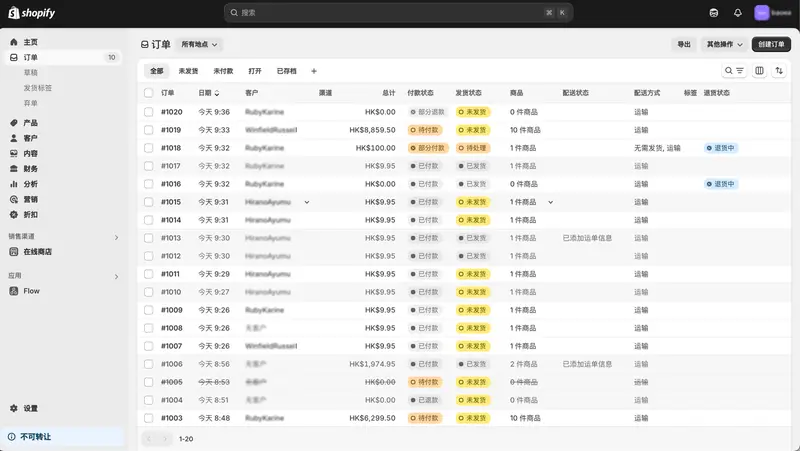
- View all pending orders in the Shopify Orders tab (1 minute)
- Organize orders based on delivery area and method, such as local delivery or in-store pickup. (2 minutes)
- Select the necessary stock for each order based on the delivery method (3 minutes)
- Print packing labels in bulk or use the Shopify mobile app to verify products for each order (2 minutes)
- Prepare appropriate-sized packaging materials, branding materials, coupons, free samples, and other additional items (1 minute).
- Print shipping labels in bulk (1 minute)
- Set up an "assembly line" for packing slips, inventory, packaging, additional items, and shipping labels (2 minutes)
- Pack each order along with the packing slip, inventory, and any additional items, then seal the package (5 minutes).
- Attach shipping labels to each package (2 minutes)
When reviewing a process, identify each stage, record the time spent on each step, and pinpoint where the bottlenecks are. Then, it's important to consider whether there are ways to make it more efficient or how to make it run more smoothly.
Even if the time saved on each individual task is small, it adds up to a significant effect. For example, if you can shorten the processing time per shipment by one minute, and you have 10 shipments a day, that alone will create 10 minutes of extra time that can be used for other important tasks.
Implementing local delivery and in-store pickup systems makes it easier to connect with local customers and allows you to deliver products without relying on shipping companies.
Shopify makes it easy and quick to set up local delivery, which is one of its key features that makes it easy to implement.
Additionally, offering a store pickup option is convenient for customers who prefer to pick up their online orders themselves. This allows customers to receive their purchases at the store or a designated pickup location without paying delivery fees, thus increasing customer satisfaction in terms of both cost and convenience.
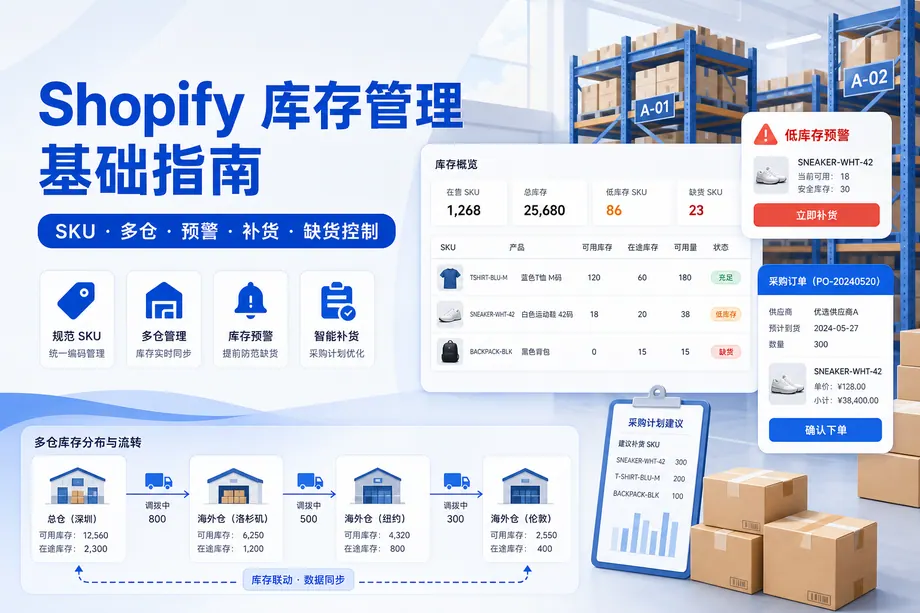
If you have two or more warehouses, implementing order routing allows you to automatically route orders to the fulfillment center closest to the customer based on pre-defined rules.
As a result, orders are shipped from the nearest warehouse, enabling both shorter delivery times and reduced costs. Efficient order processing also leads to increased customer satisfaction.
2. Ensure sufficient delivery and packaging materials are available.
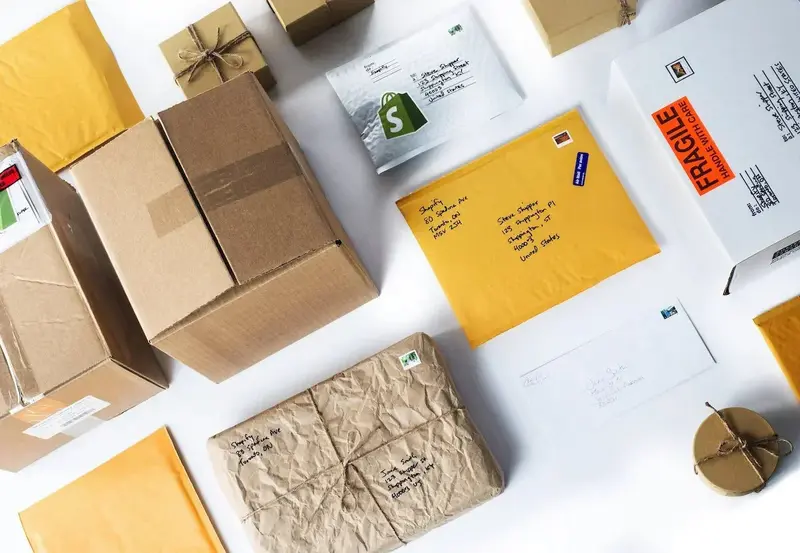
To ensure you can handle anticipated sales, check your stock of shipping materials and product packaging in advance. Running out of labels or boxes midway through the process will cause delays in order processing. If you're using a desktop printer, replenish your printed labels and consider switching to a thermal printer if necessary. Also, arrange for packaging materials provided by your shipping company well in advance.
Introducing a gift wrapping service is also recommended. It can be particularly effective in increasing the average order value during the Christmas season. However, this requires planning to secure sufficient materials.
3. Check the Christmas delivery deadline for 2025.
Every year, shipping companies announce "delivery deadlines to ensure delivery by Christmas" to coincide with the peak season. Some schedules have already been released this year, but due to disruptions in the supply chain and increased global e-commerce demand, deliveries may be delayed compared to previous years.
Therefore, in preparation for the busy holiday season, it is crucial to always check the shipping carrier's delivery deadlines and ship with ample time to spare. Especially for international shipments, check the status of the overseas shipping company in advance and be sure to inform the customer if delays are likely.
4. Establish a delivery and shipping strategy for peak seasons.
The next step is to understand the details for your customers, specifically how much you will charge for shipping. The most common options are free shipping, flat-rate shipping, and fixed-cost shipping. Here are some tips to help you determine which is right for your store.
Unexpected shipping costs can lead to cart abandonment. While offering free shipping can increase conversion rates, the cost of providing it is not cheap (even with discounts from major carriers) and can impact profit margins. Determine the fees you need to cover, including the cost of shipping the heaviest items to the furthest locations.
Consider sending free shipping coupon codes to current customers to encourage repeat orders, or offering free shipping above a certain order size to increase the average order value. Also, pay attention to delivery deadlines. If you only offer free standard shipping, you need to clearly communicate the expected arrival date so that customers can place orders in time for Christmas.
To absorb a portion of shipping costs while preventing customers from being surprised by unexpected charges at checkout, implementing a fixed-rate shipping plan is recommended. By setting a price that covers the majority of shipping costs in advance, you can also accommodate shipping options that tend to be expensive and the shipping costs for large items.
Fixed-rate shipping tends to have a higher conversion rate than the actual cost calculated by the shipping company. Customers can purchase with confidence because they know the shipping cost in advance, and businesses can recover a large portion of their shipping costs.
merit
- No surprises at checkout
- Consistency of shipping fees
- Clarity and transparency regarding shipping fees
Disadvantages:
- You may be responsible for some of the costs.
- Shipping large and heavy items may be expensive.
- Customers may not get the best deal.
With accurate cost shipping, customers can see the exact cost of shipping their order and check it out at checkout.
merit:
- Suitable for heavy items where shipping costs would be high.
- Transparency regarding shipping fees
- The customer pays the exact amount for product delivery.
- Customers may hesitate to purchase large items.
- We need to implement an additional tool at checkout to calculate shipping costs.
You can offer local customers alternative ways to receive products. This can reduce delivery times, provide a better customer experience, and boost local sales with attractive fast, free (or affordable) delivery and pickup options.
Customers can avoid delivery fees and pick up their online orders at the store or other locations.
- Avoid delivery delays
- Costs will decrease
- Convenient and flexible
- Potential for causing confusion in the area
- Additional steps for the customer to go through
5. Label your packages clearly and accurately.
Shipping labels are a crucial element for smooth delivery. They provide the carrier with the information necessary to ensure your goods arrive at their destination on time and within budget. Create clear and accurate labels by correctly including essential information such as zip code, country, order tracking number, shipping date, address, and weight.
Adding accurate weight information is especially important. This allows customers to see the correct shipping cost at checkout, giving them peace of mind when making a purchase. Furthermore, it leads to increased efficiency for the store, as it eliminates the need to correct weight during the fulfillment process and allows for immediate printing of the correct shipping label.
6. Address customer concerns regarding shipping costs and delivery dates.
It's well known that unexpected shipping costs negatively impact conversion rates, but during the Christmas season, customers want to know more than just "How much will it cost?" A major concern is also "Will my order arrive in time?"
Don't hesitate to proactively provide information regarding these two questions. This information is key to the decision-making process for customers considering a purchase.
💡Tip: Clearly stating the shipping speed at checkout can increase conversion rates and give customers peace of mind and transparency. Check out how to add shipping times directly from your Shopify admin panel.
In addition to email, here are some other ways to reach the right people during the Christmas shopping season:
- Add a banner: Use a fixed website banner on your store to advertise shipping prices, options, and schedules.
- Use pop-ups: Display a pop-up to inform shoppers of their delivery deadline.
- Add a homepage image, or add a section that clearly communicates all shipping information.
- Share on social media: Let your followers know the delivery deadline.
- Update the FAQ page: This page will answer frequently asked questions about shipping in one place.
In addition to the website, product pages, and checkout pages, it's crucial to provide multiple means for customers to get the answers they need. These include email or social media support, live chat, shipping policy pages, help centers, and FAQ pages.
Many customers check the store's shipping policy or FAQ page when they have questions about shipping. By including the right information on this page, customers can find answers quickly and reduce the need to contact the store.
Setting up a shipping policy page is easy. Simply create a new page in your store, add a link to it in the footer, and include the following information:
- Shipping tracking
- Shipping options and delivery time
- Returns and refunds
- Customs duties and international shipping availability
- Lost or damaged package
While the content of each policy will vary depending on the business, product, and profit margin, it's important to provide a place where customers can find the information they're looking for. Pre-preparing answers to common shipping questions will reduce the burden on customer service and lead to a smoother purchasing experience.
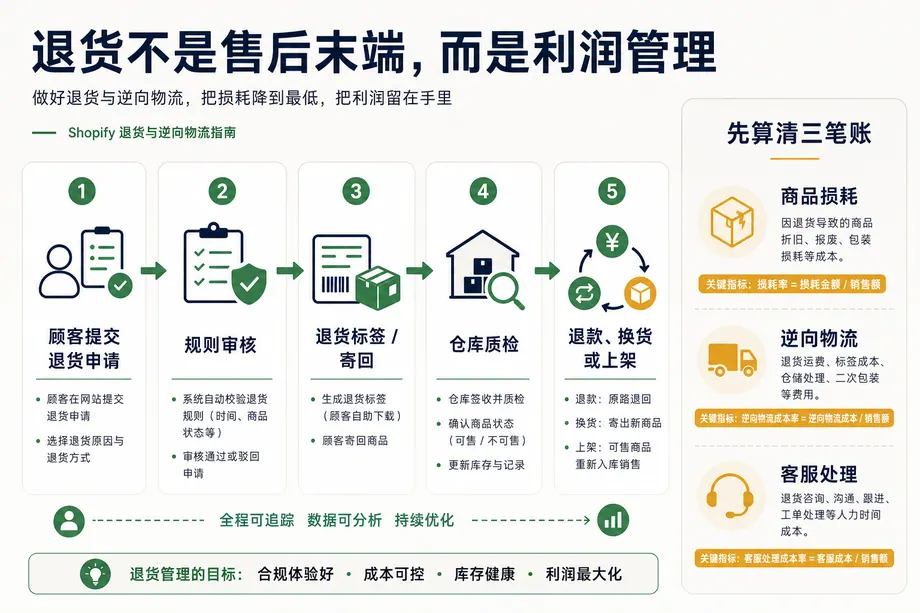
7. Prepare for returns
There are mainly three ways in which the cost of returns is borne:
- The customer is responsible for return shipping costs.
- The store will cover the return shipping costs.
- Both sides will share the responsibility.
The best method to choose depends on your expected profit margin and return rate. However, returns are likely to increase during peak seasons such as Christmas, so be sure to take that into consideration when developing your strategy.
Regardless of the method adopted, it's crucial to communicate the rules regarding return shipping costs to customers as clearly and prominently as the shipping policy. Prior notification will prevent confusion during returns and reduce the burden on customer support.
It's recommended to add return information to your existing shipping policy page. If you accept returns, be sure to be able to answer at least the following two questions:
- How much does it cost to return an item? (Fixed fee, actual shipping cost, free return, etc.)
- What options are available? (Returns, exchanges, store credit, etc.)
- How do I return an item? (Contact information, return address, procedure, etc.)
- What are the conditions for returns? (e.g., return period, product condition)
8. Make the delivery status trackable.
Customers may feel anxious after purchasing a product until it arrives. Therefore, it is important to make all orders trackable as quickly as possible.
Clearly explaining available tracking methods can reduce customer inquiries. Assigning tracking numbers to all shipped orders can resolve many questions proactively.
Adding or customizing an order status page to your store is also effective. Linking tracking numbers allows customers to check the delivery status directly from the order page, increasing peace of mind and convenience.
9. Prepare to meet customer expectations.
Meeting customer expectations throughout the delivery process directly contributes to an improved customer experience. Customers, especially those making high-value purchases, seek peace of mind, making it crucial to provide excellent service throughout the entire delivery process. This increases customer satisfaction and leads to repeat purchases.
The following are some of the things we can do to meet customer expectations:
- Clear communication: We share delivery status in real time, providing customers with the reassurance of being constantly connected.
- Maintaining transparency: Proactively update information in advance if there are any delays or changes in delivery.
- Clearly indicate delivery deadlines: Clearly display the order deadline to ensure delivery by the desired date.
- Improve frequently asked questions: Create a dedicated page summarizing frequently asked questions about shipping to address customer concerns in advance.
- Web chat support: We have established a system to quickly answer questions about shipping and tracking through real-time support from chatbots and additional staff.
By implementing these kinds of strategies, you can strengthen your relationship of trust with customers and improve your store's rating and repeat customer rate.
10. Common reasons for Christmas delivery delays
No matter how carefully you plan your deliveries, delays can occur due to factors beyond your control. This risk is especially high during peak seasons like Christmas. Here are some common causes and tips for avoiding them:
Nature is unforgiving to delivery schedules (especially in winter). Bad weather can delay shipments and, in the worst cases, cause them to fall through completely. Take all possible precautions to avoid bad weather. Use different modes of transport and optimize routes to avoid high-risk areas.
If the number of orders exceeds expectations, it could overwhelm the processing capacity of delivery companies and lead to delays. The important thing is to communicate with customers as soon as possible if Christmas delivery delays are anticipated.
The supply chain is still facing labor shortages. While this is largely beyond your control, it's a good idea to keep customers informed to alleviate their expectations. If delays occur, proactively address them via email or SMS and regularly update them on the status of their orders.
International shipping can sometimes take longer than expected due to customs procedures and logistics congestion. While this is an unavoidable issue, please make sure to prepare all necessary customs documents accurately and ship your order as early as possible.
For small businesses entering the Christmas shopping season, preparing logistics in advance is essential to cope with the peak shopping period. Prior preparation not only ensures a comfortable and secure shopping experience for customers, but also allows for smoother operations for your store and shipping staff.
Frequently Asked Questions about Christmas Delivery
Will deliveries be delayed during the Christmas season?
During the Christmas season, the volume of shipments increases, so deliveries are often delayed.
Why is the shipment delayed?
There are several reasons why shipments may be delayed. The most common causes are bad weather, increased demand, and labor shortages. Delays can also occur if the product is out of stock or if there are problems in the manufacturing process.
What is the last shipping date before Christmas?
Different carriers have different shipping deadlines. Please check each carrier's website to find the last shipping date that will ensure delivery in time for Christmas.
Share this article
- Share on Facebook
- Share on X
- Share on LinkedIn